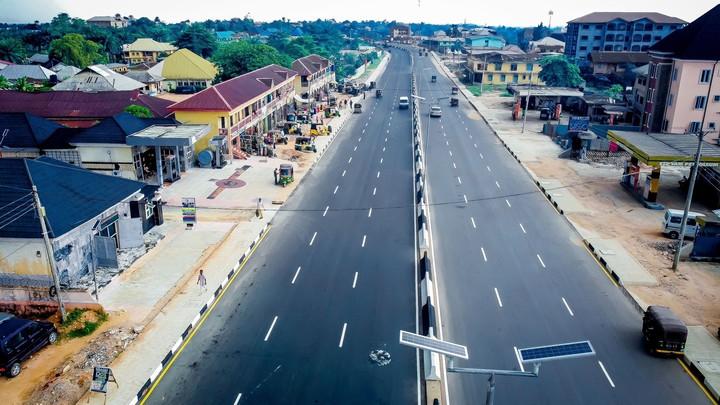
Barnawa Kaduna, Nigeria
Naija Heritage Collections Nigerian Heritage Collections
South East · Abia

Abia State

God's Own State

Where Igbo enterprise turns memory into motion.

State at a glance
Capital
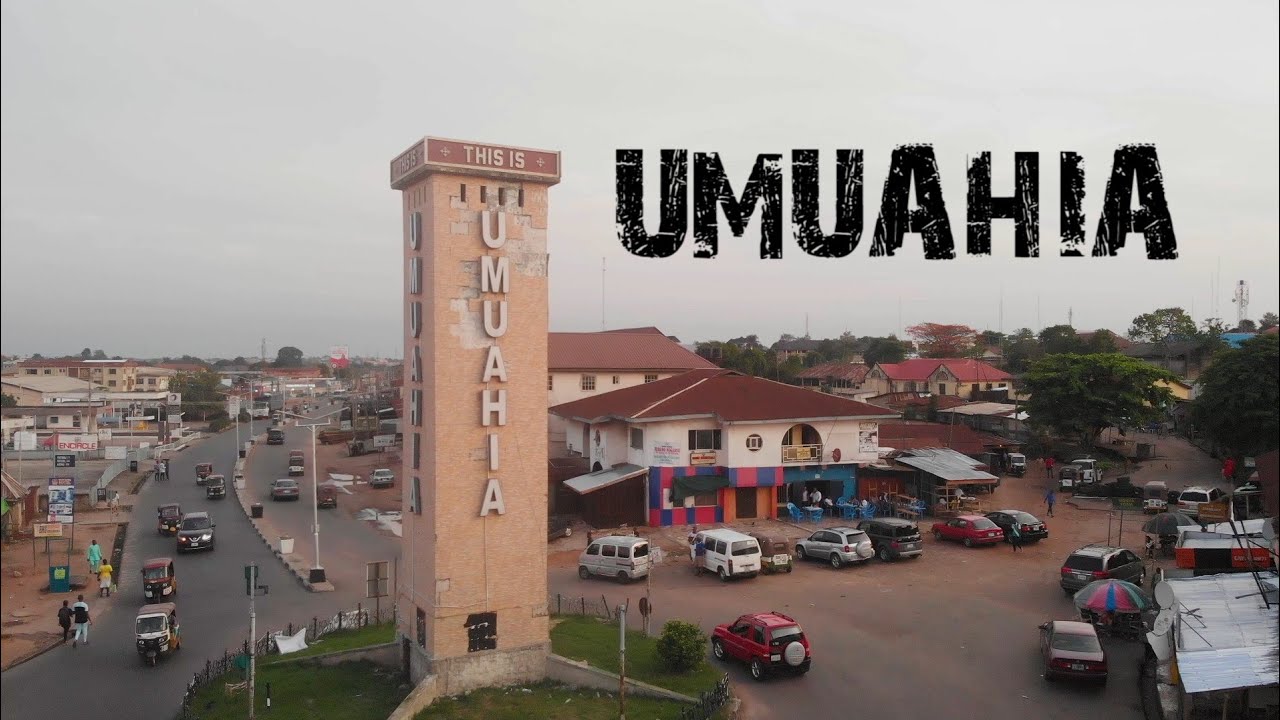
Umuahia
Created
27 Aug 1991
Zone
South East
Population
About 4 million (census estimates vary)
Land area
About 6,320 km²
Rivers & geography
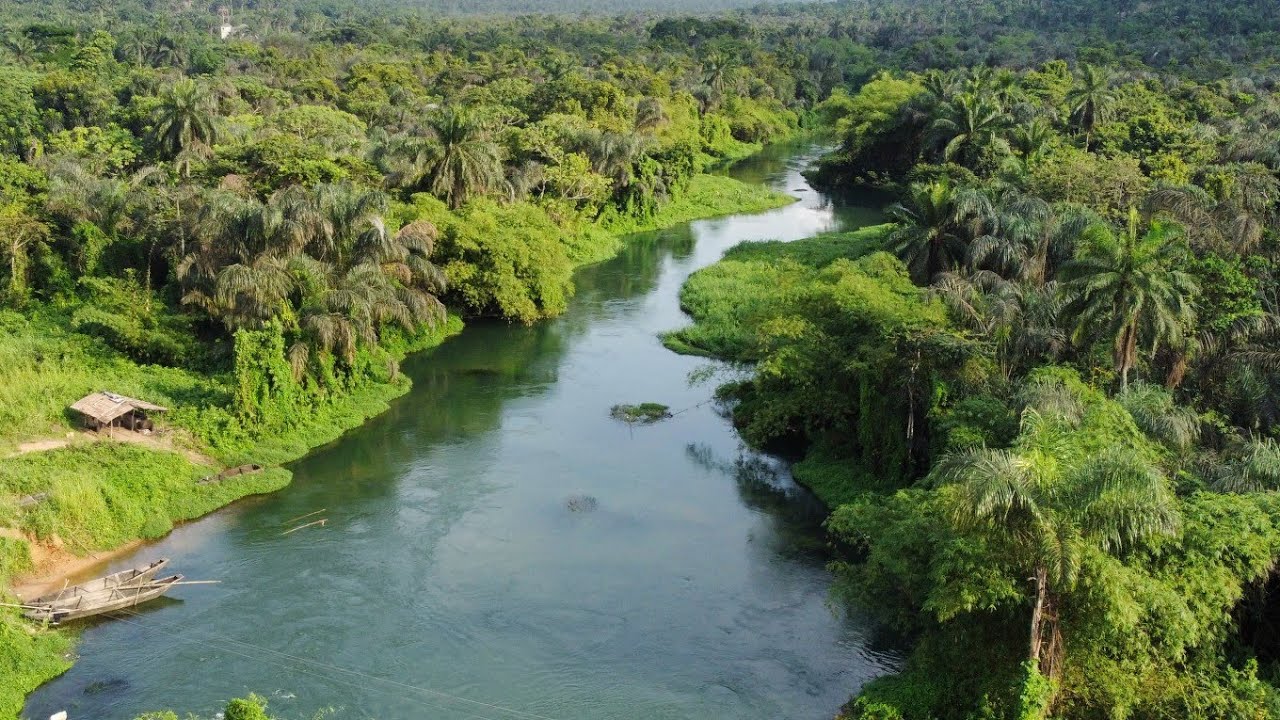
Imo, Aba, and the Azumini Blue River
The story behind the state

Marketplace of the East

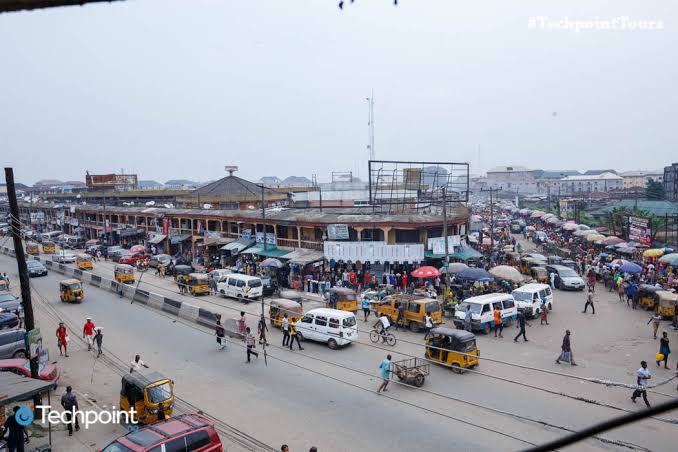
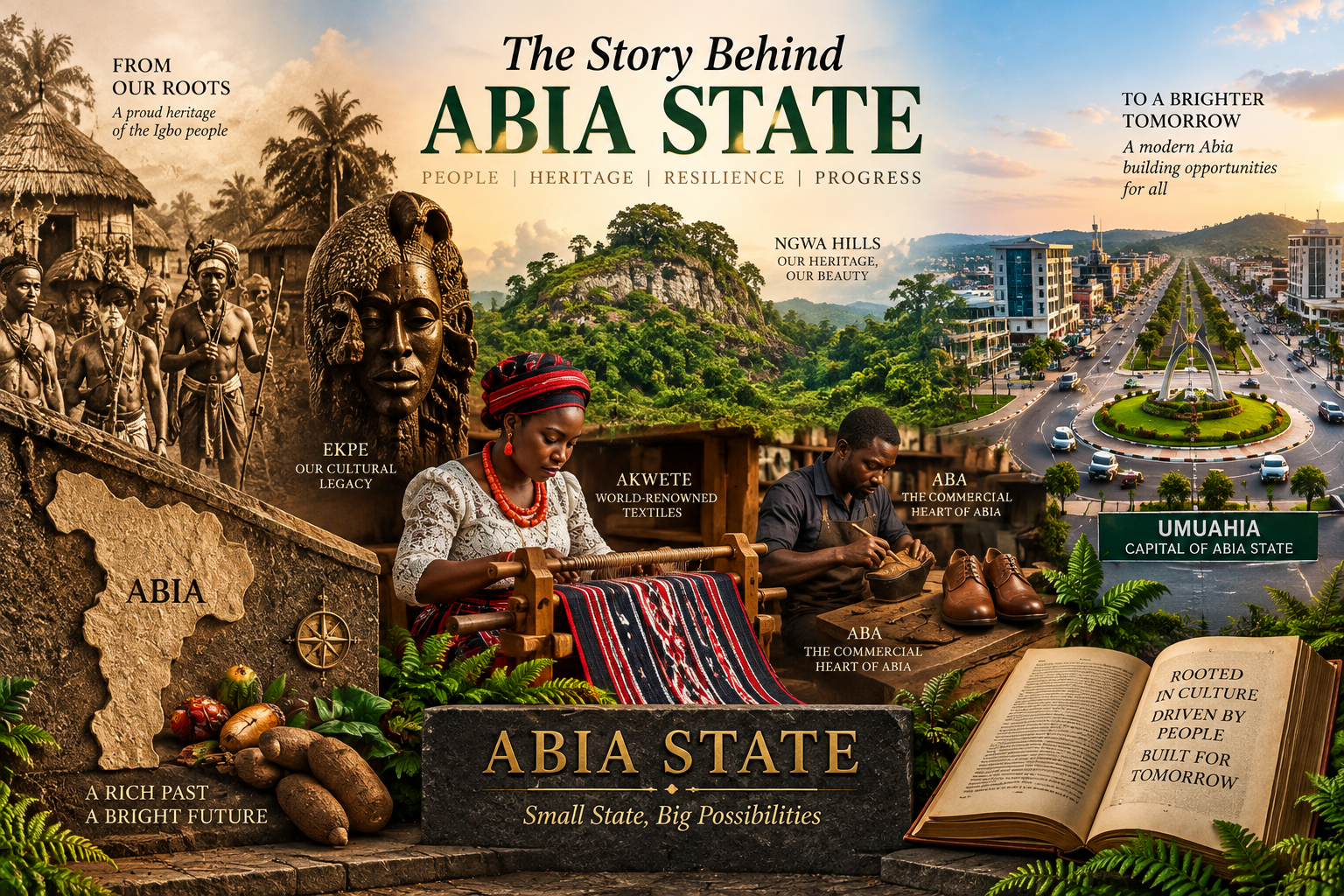
Abia was created on 27 August 1991 from part of Imo State, with Umuahia as capital and Aba as its great commercial engine. The state sits in the Igbo-speaking South East, where clan towns, mission schools, and roadside workshops have long rewarded skill and trade. Visitors meet a landscape of oil palm, raffia, and busy junctions rather than a single royal capital: power here has usually lived in village republics, titled men, and market reputation.

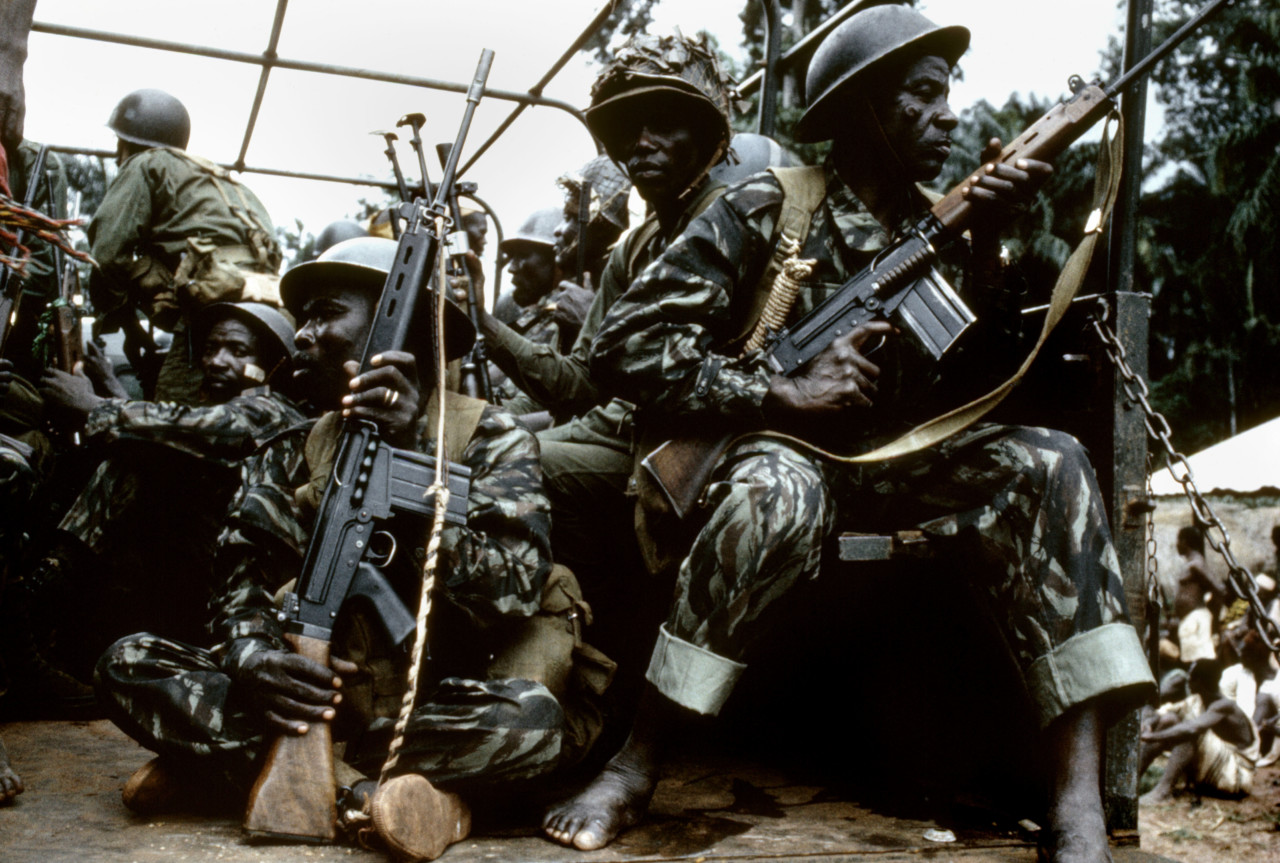
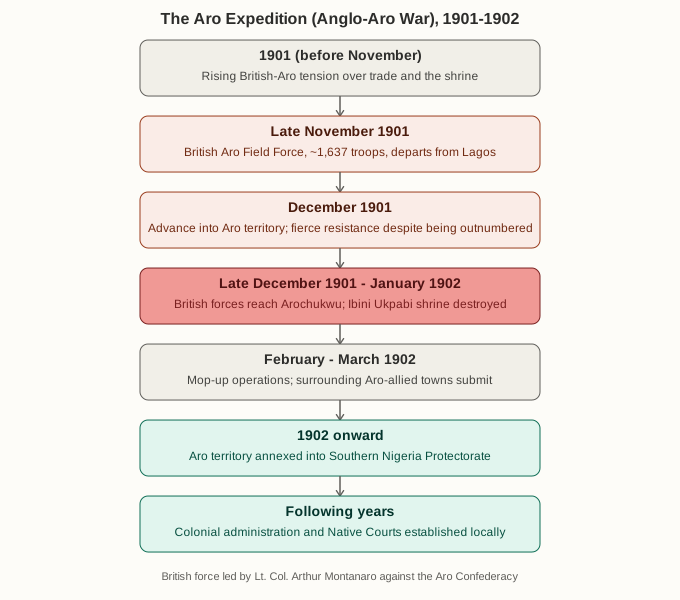
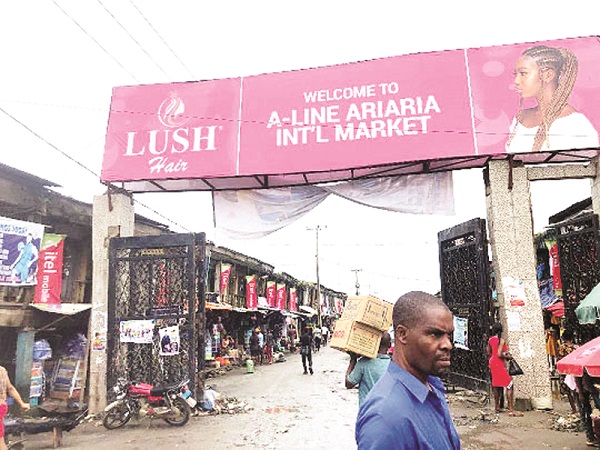
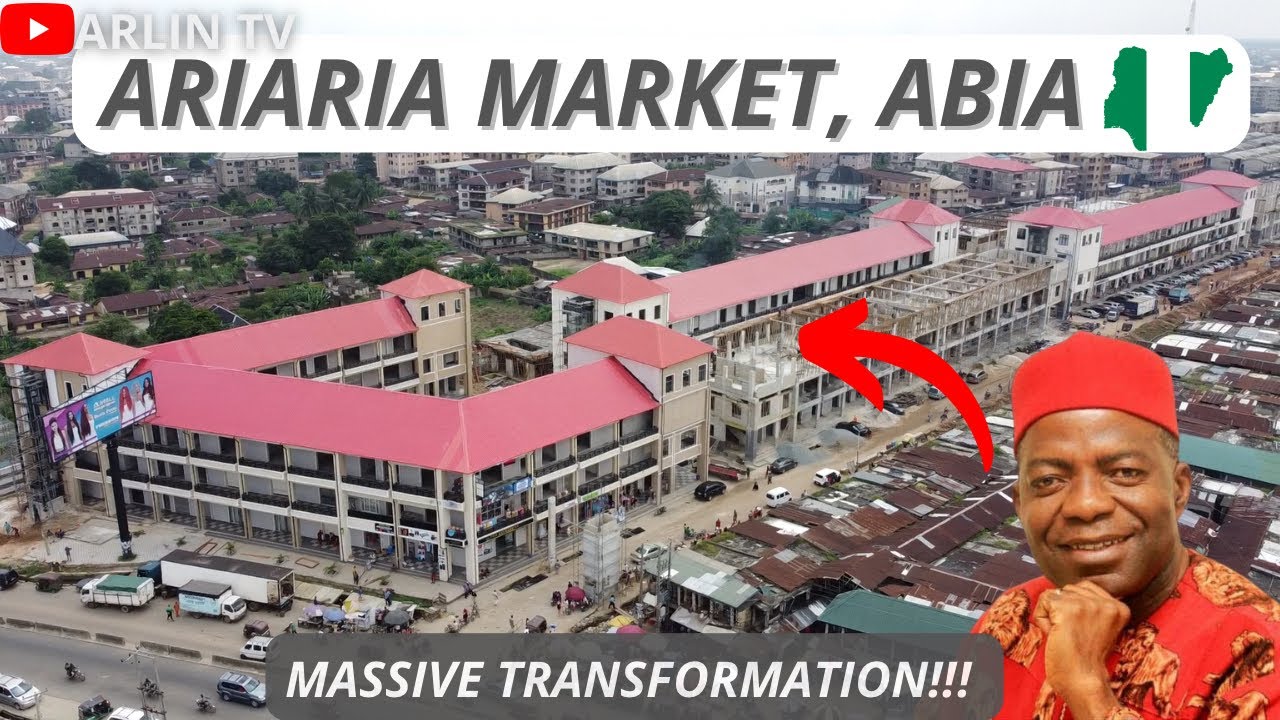
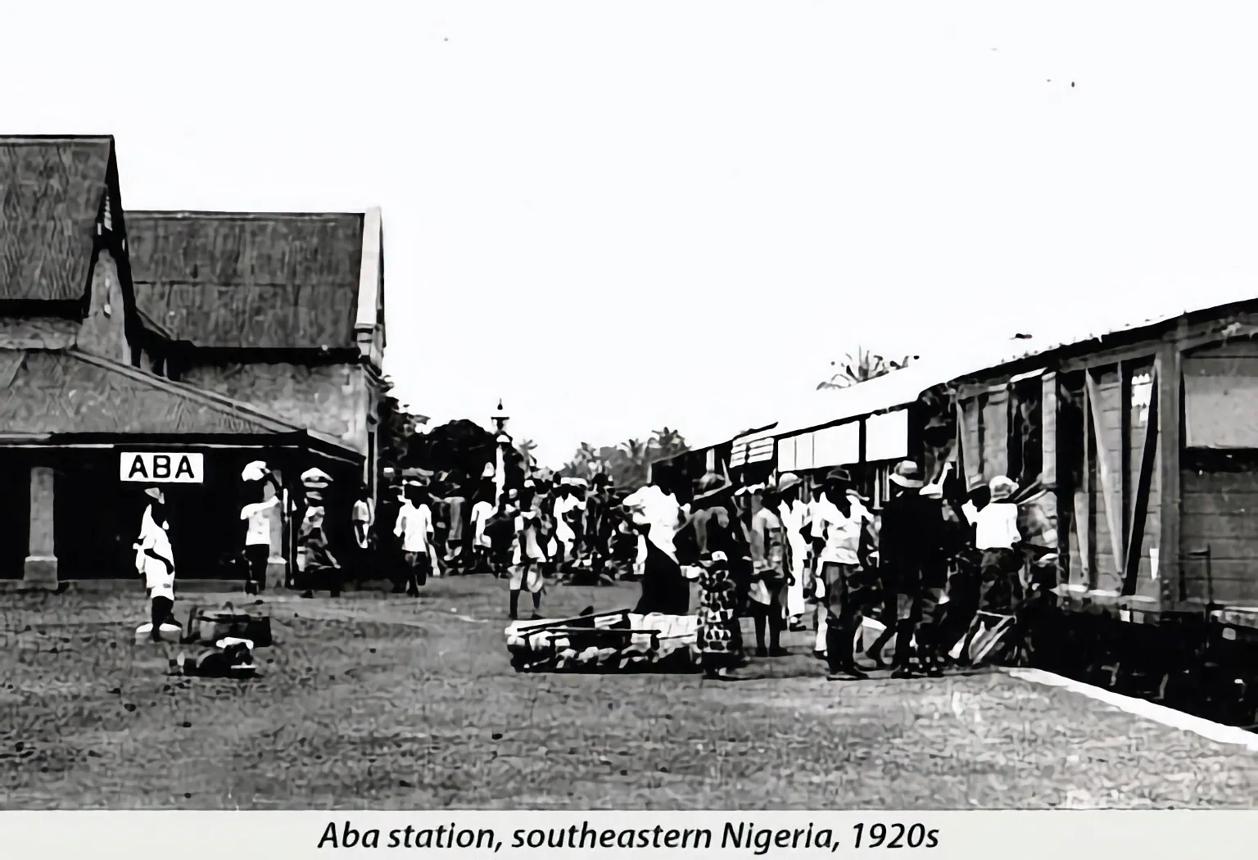
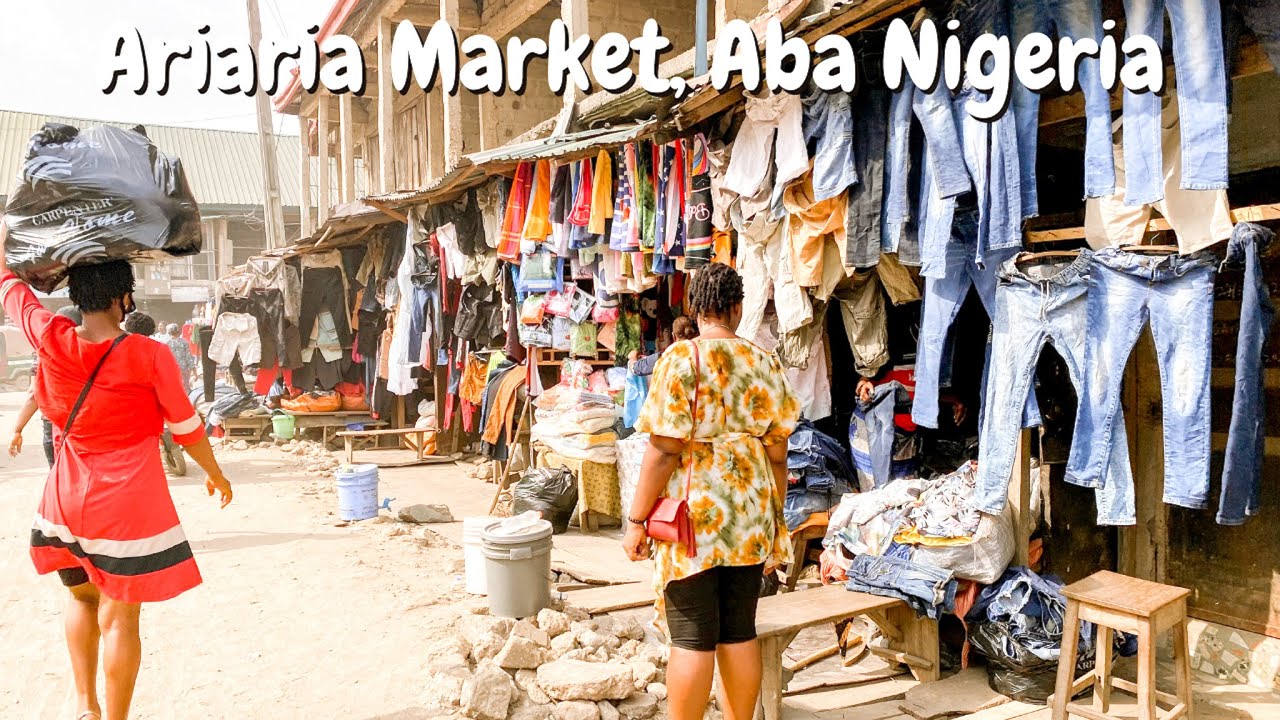
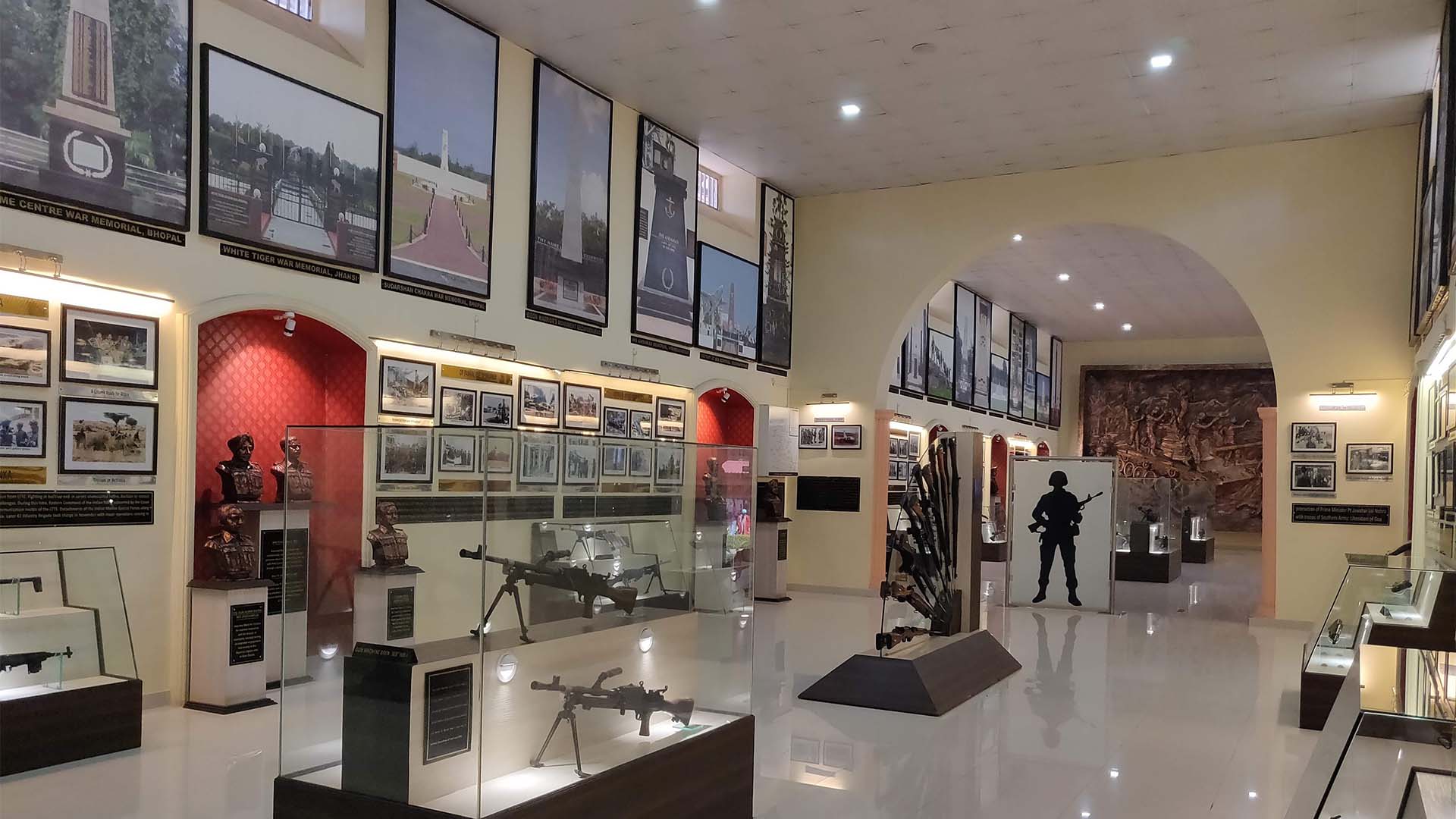
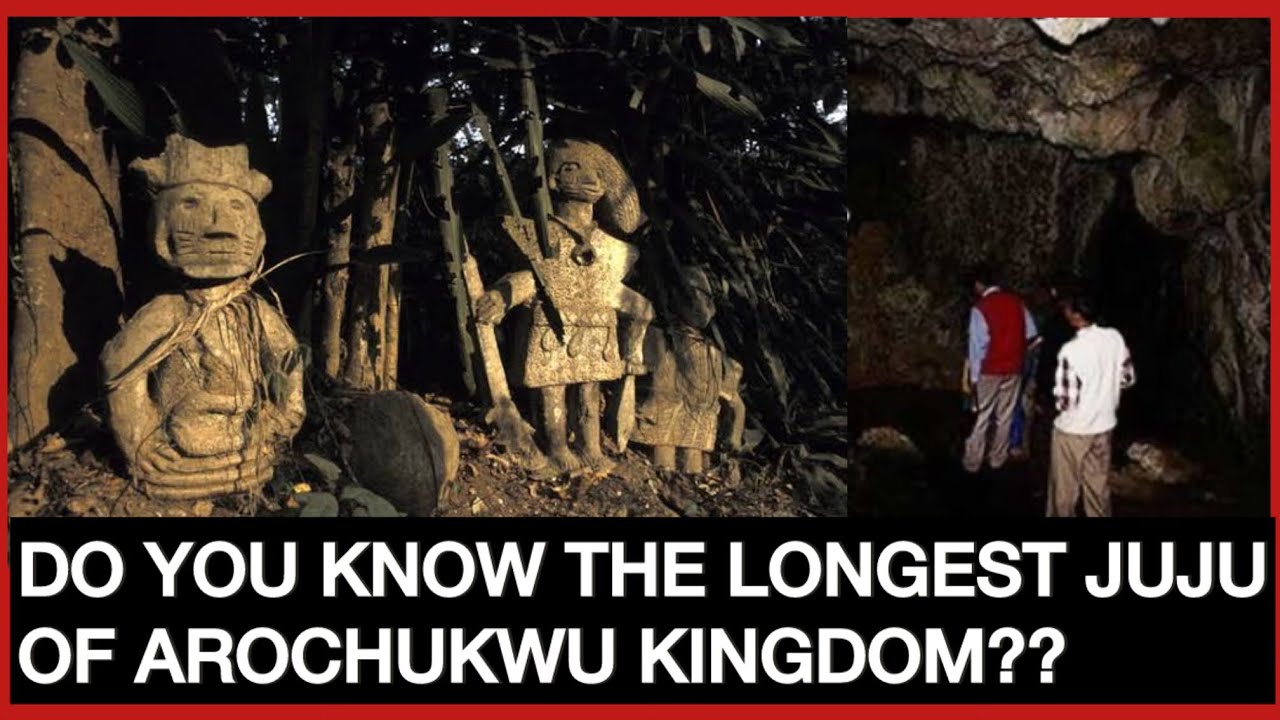
Aba grew as a manufacturing and wholesale city whose Ariaria market is famous across West Africa for clothing, shoes, and spare parts. Umuahia holds a quieter national memory. During the Nigerian Civil War it served for a time as the Biafran administrative capital after Enugu fell, and the National War Museum now keeps vehicles, bunkers, and difficult stories in public view. To the east, Arochukwu recalls the old Aro trading network and the Ibini Ukpabi shrine, a religious and diplomatic centre that once reached far beyond today's state lines.

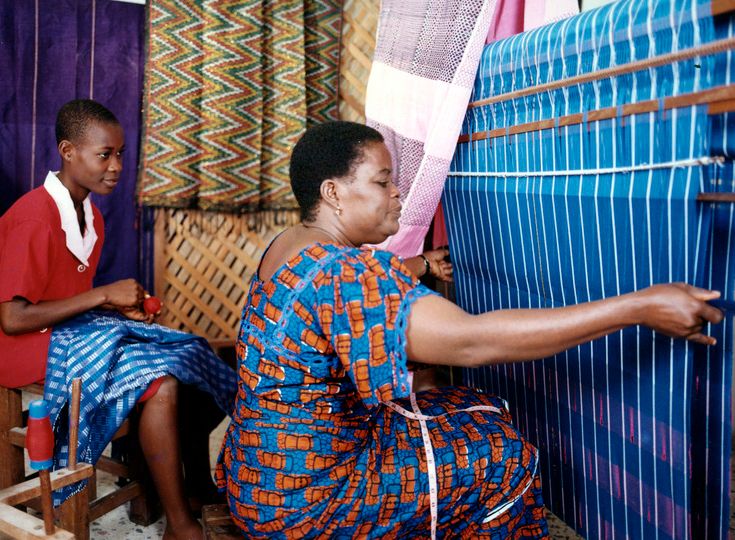
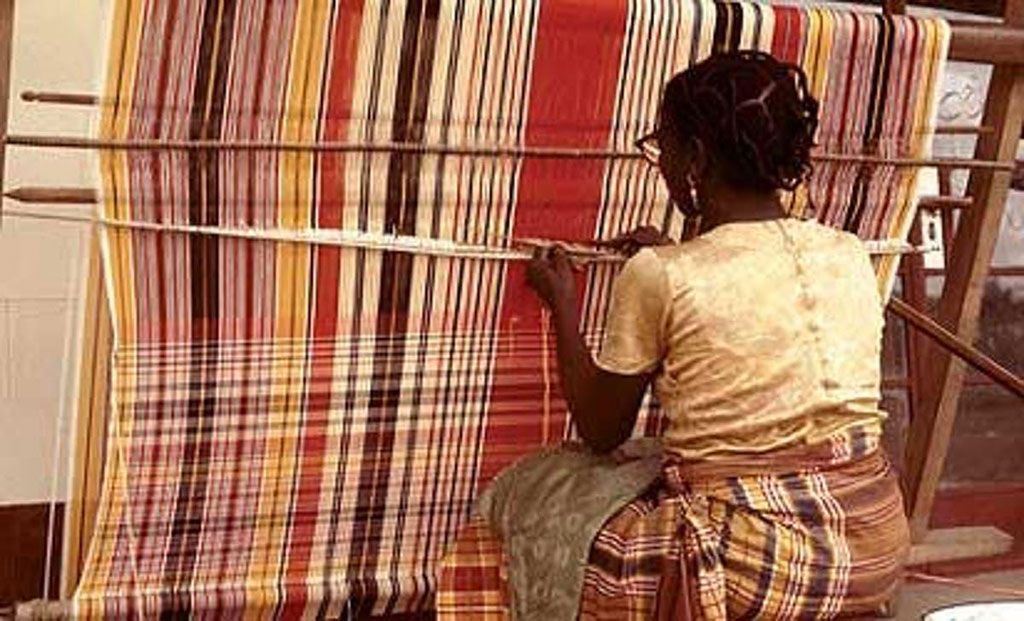
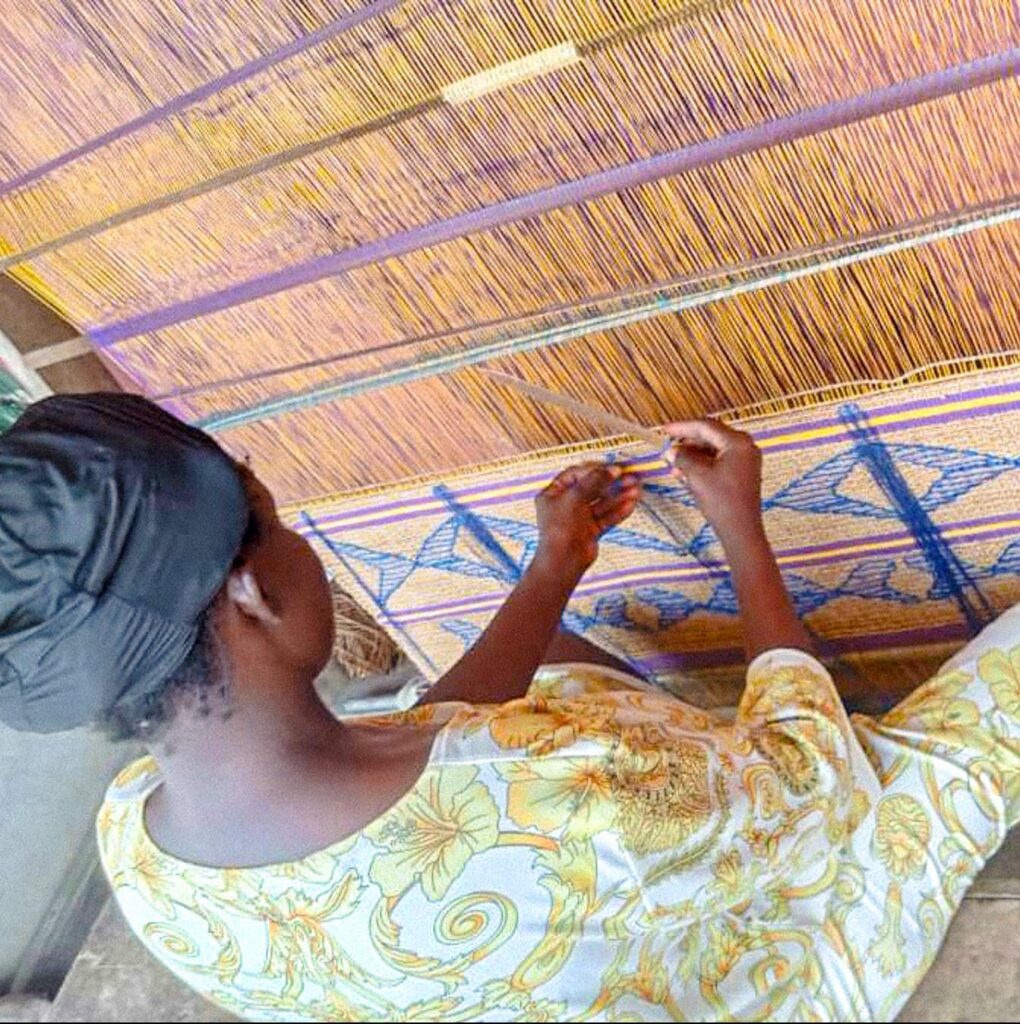
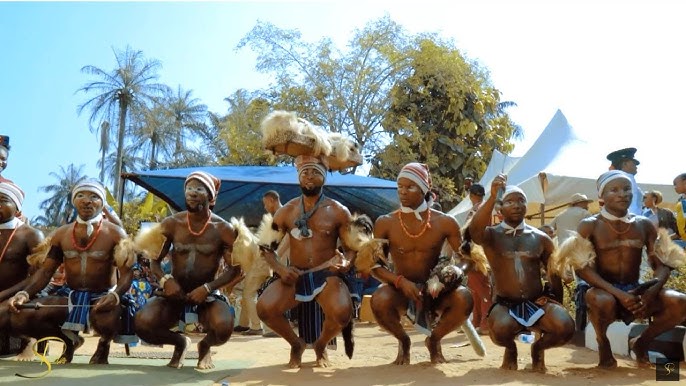
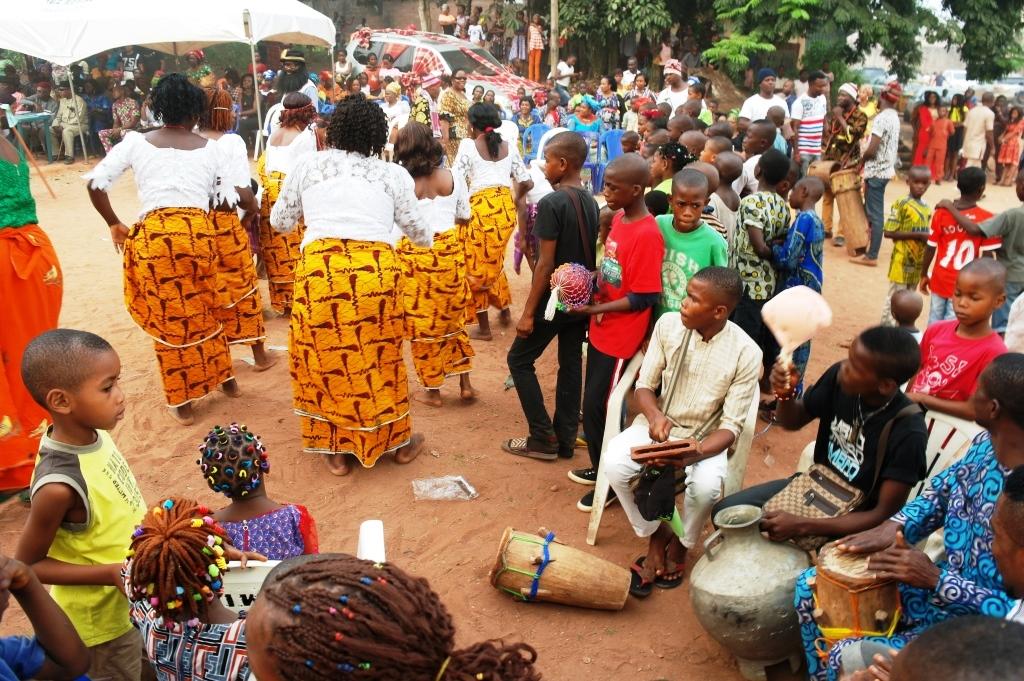
Abia remains a state of makers. Akwete weavers still produce a distinctive cotton cloth; Ohafia remembers a warrior past through dance; Ngwa farmers send palm produce toward the coast. The nickname God's Own State is a statement of pride more than a tourist slogan: it asks visitors to see enterprise, hospitality, and Christian and traditional worship as parts of one living heritage.
Where did its name come from?
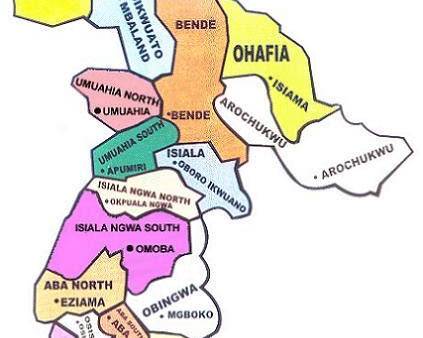
A widely taught explanation holds that Abia is an acronym of Aba, Bende, Isuikwuato, and Afikpo — four major groupings in the territory at creation. Scholars and local historians often treat this as a convenient modern coinage rather than an old indigenous word. Afikpo later became part of Ebonyi State, which is why the acronym now sits slightly beside the map.

Older place-names in the area are Igbo and describe towns, clans, and rivers. The state title should be read as a 1991 political name layered over a much older world of Ngwa, Aro, Ohafia, Bende, and related communities.
History

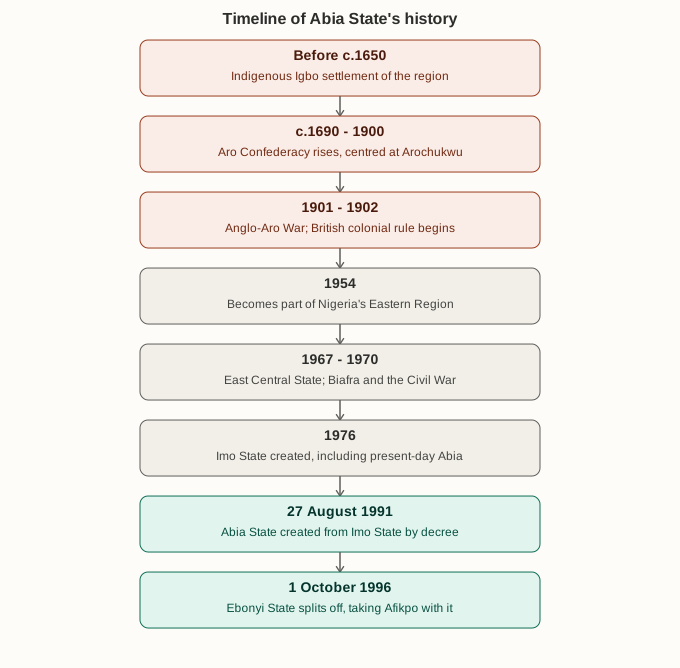
A timeline you can follow

c. 1600s–1800s · Aro trading age

Arochukwu's oracle and merchant networks linked parts of the Cross River and Igbo inland to coastal markets. The reach is well attested; the details of every route remain a matter of research.

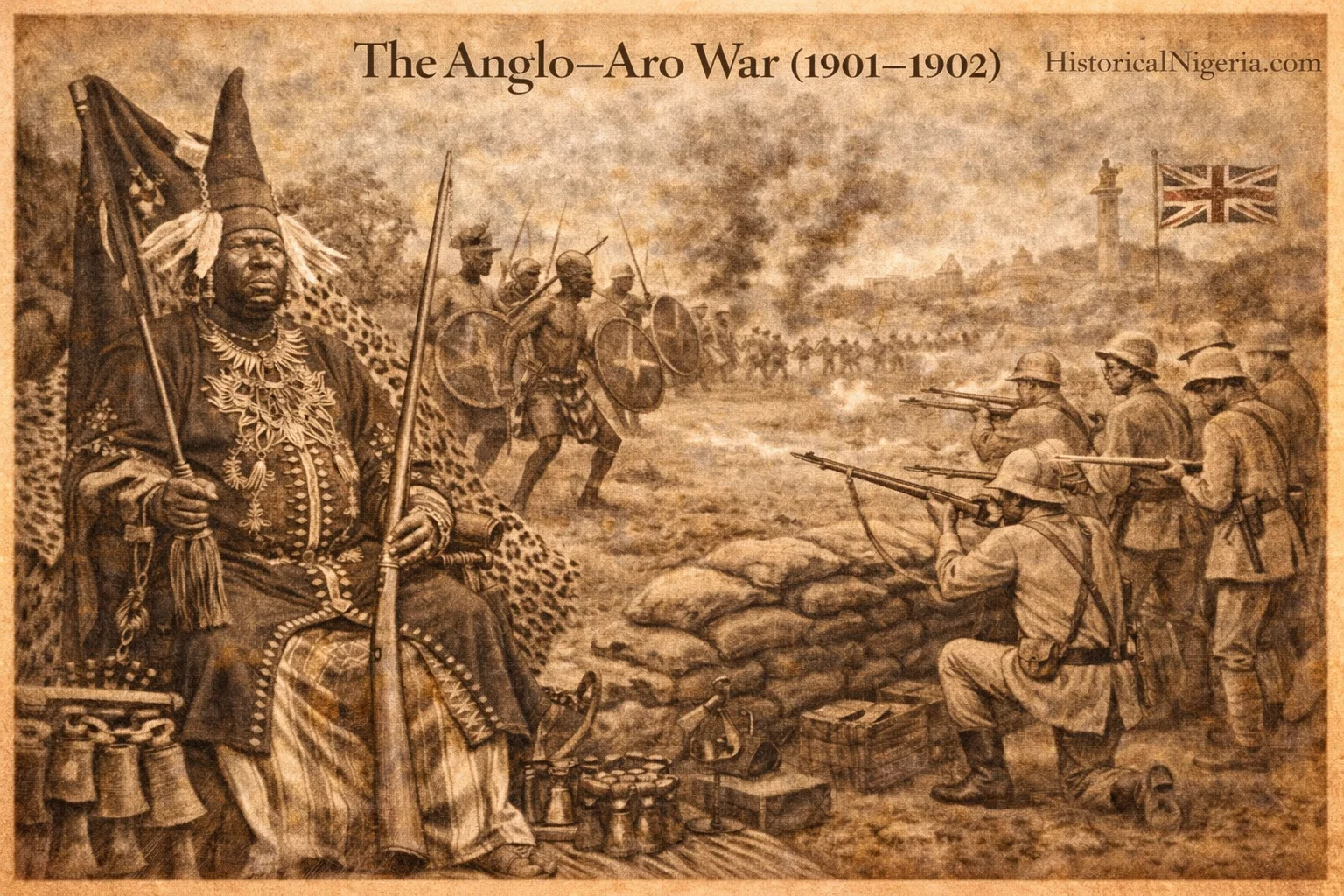
1901–1902 · Anglo-Aro War

British colonial forces attacked Arochukwu, breaking the old shrine's regional authority and folding the area into colonial administration.

1967–1970 · Civil War years

Umuahia served for a period as Biafra's administrative capital. The National War Museum later preserved vehicles, bunkers, and wartime objects from that era.

1991 · State creation

Abia was carved from Imo State on 27 August 1991, with Umuahia named capital.

1990s–2000s · Ariaria's fame

Aba's Ariaria International Market became a byword for made-in-Aba shoes, garments, and spare parts across Nigeria and neighbouring countries.

2010s– · Heritage and craft revival

Akwete weaving, Ohafia dance, and museum education have been promoted as public culture alongside the state's trading reputation.

Peoples & cultures

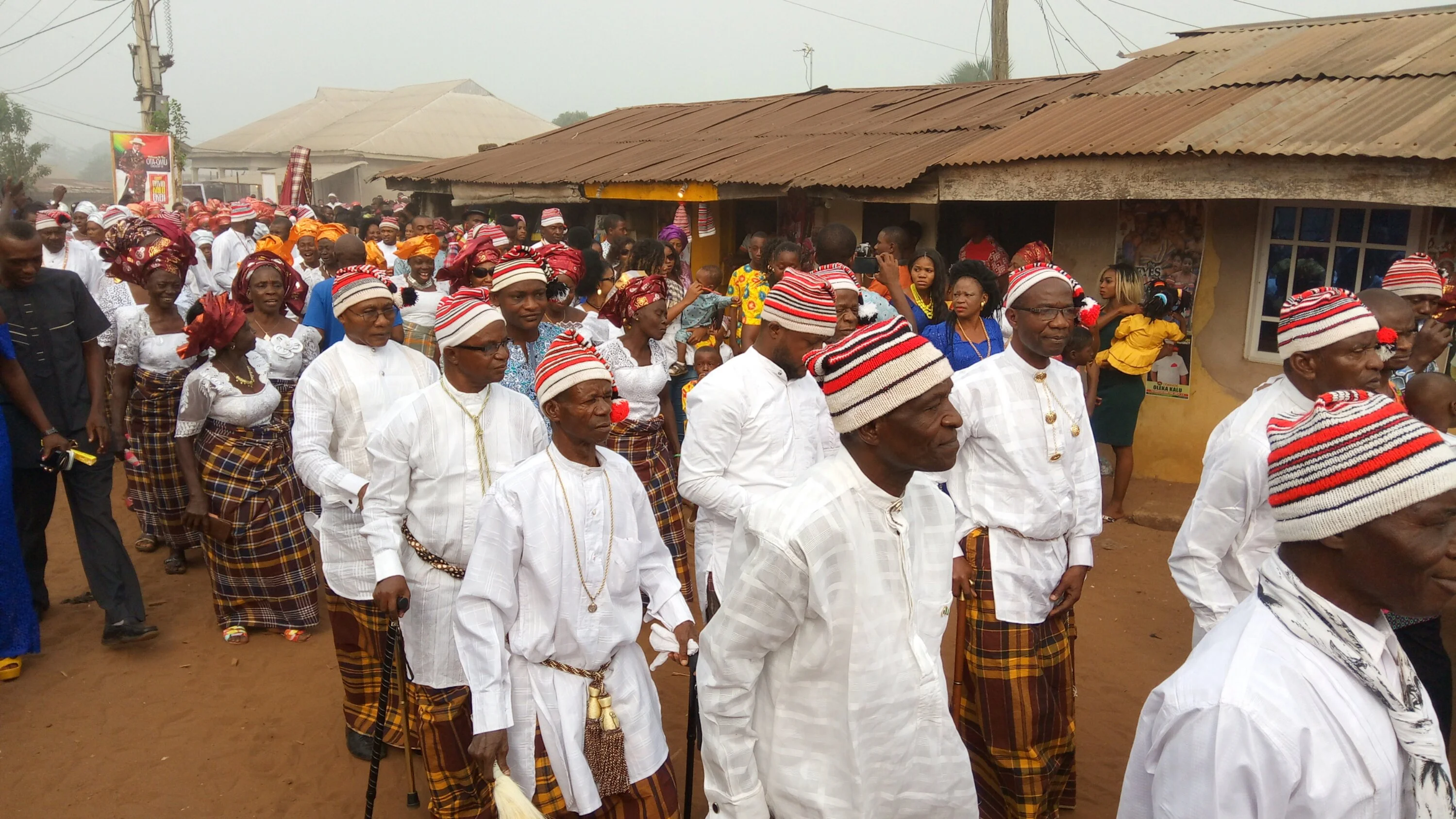
Ngwa. A large Igbo grouping around Aba and the southern farm-and-trade corridor.

Aro. Centred on Arochukwu; historically linked to long-distance trade and the Ibini Ukpabi shrine.

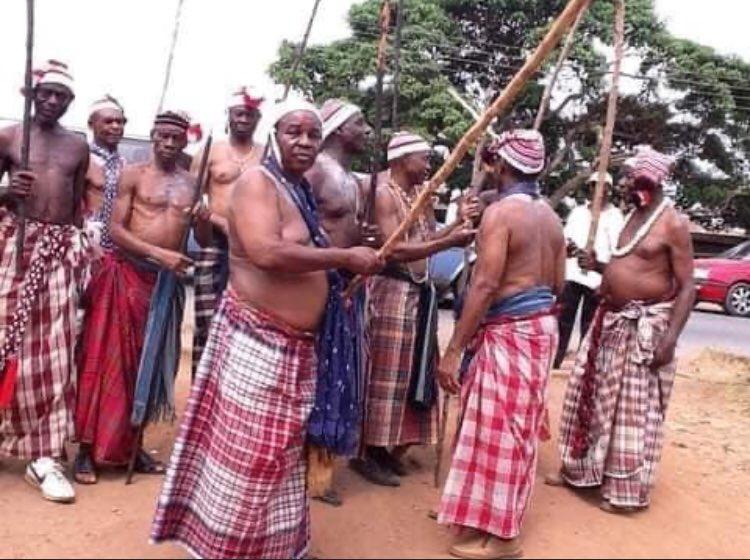
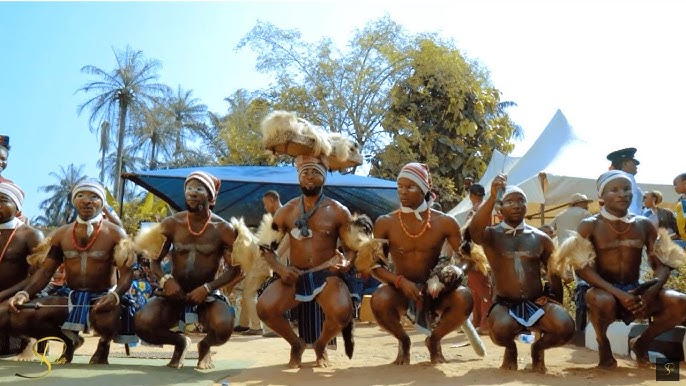
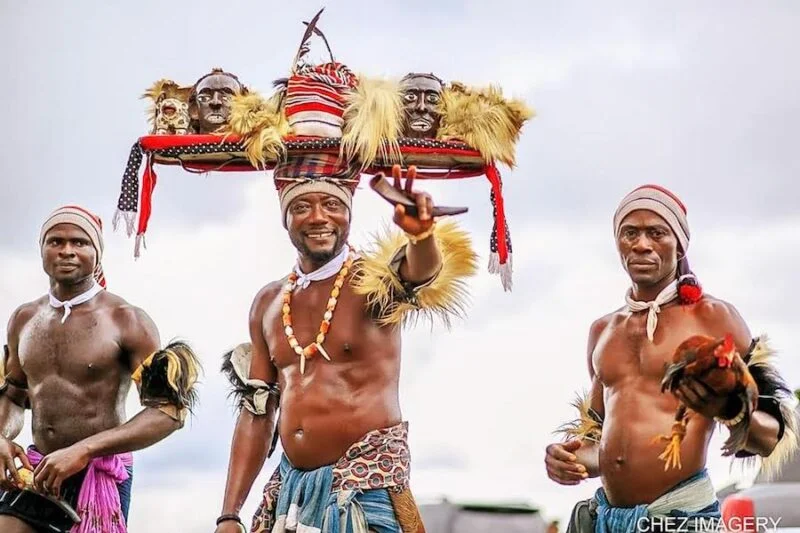
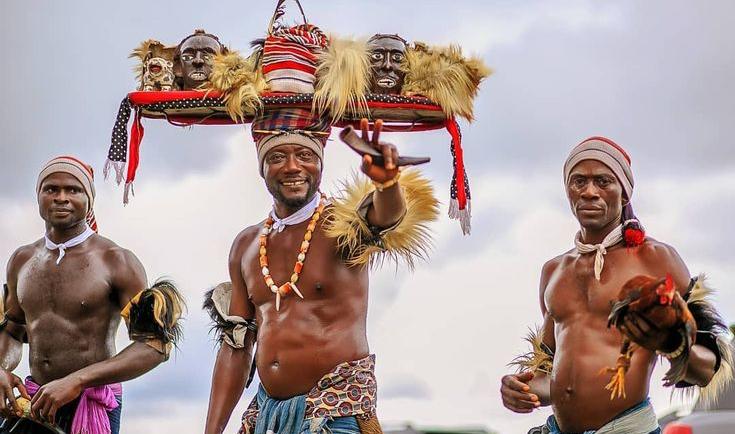
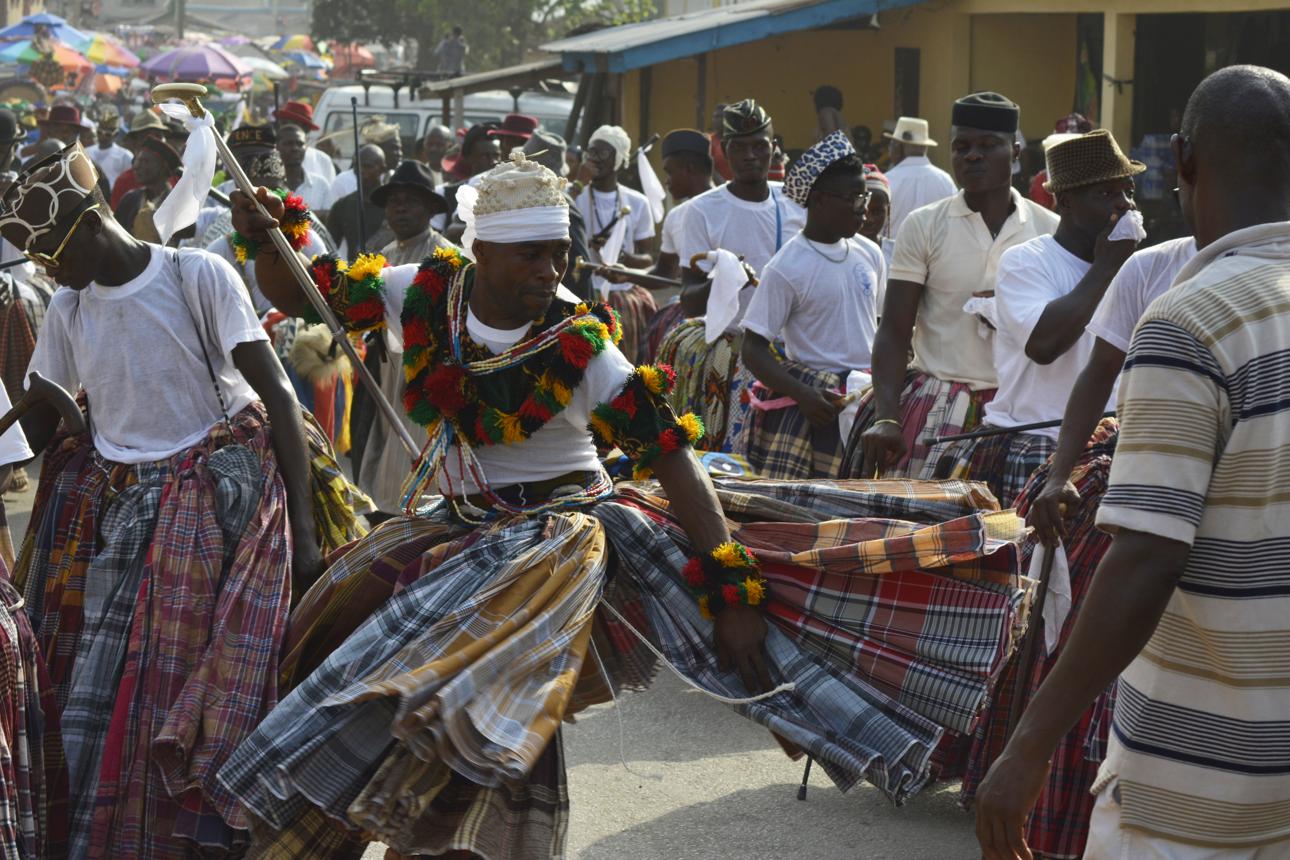
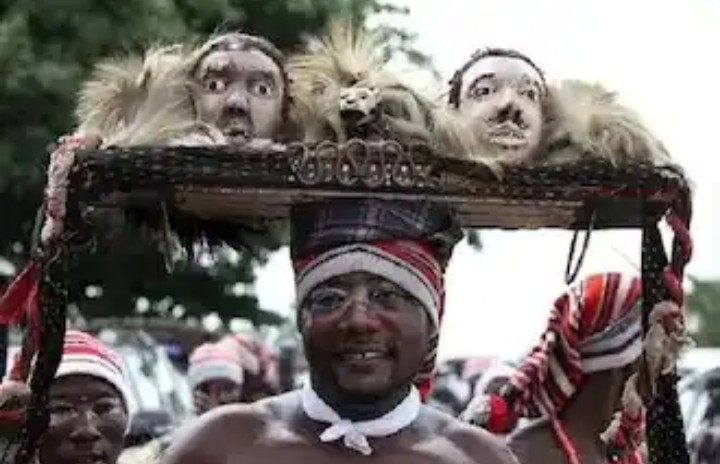
Ohafia. Known for a warrior heritage expressed today in dance, dress, and clan history.

Bende and related Igbo communities. Upland towns that include the capital region and older colonial-era administrative centres.

Traditional kingdoms & rulers

Arochukwu. Seat of the historic Aro network; not an empire in the Benin sense, but a widely influential ritual and trading centre.

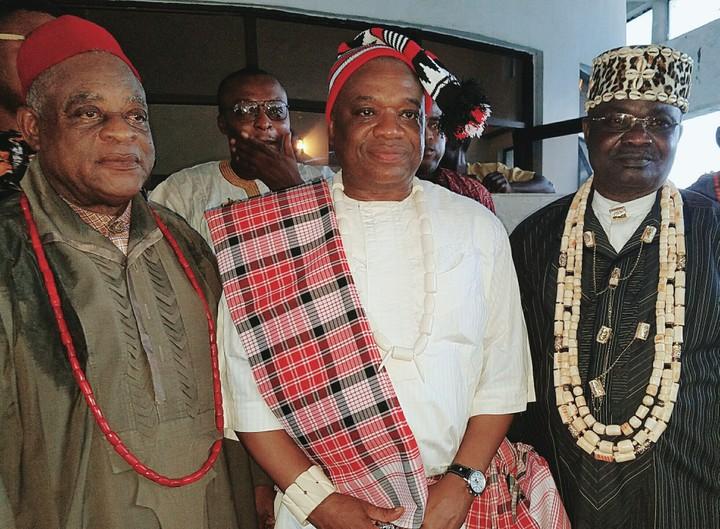
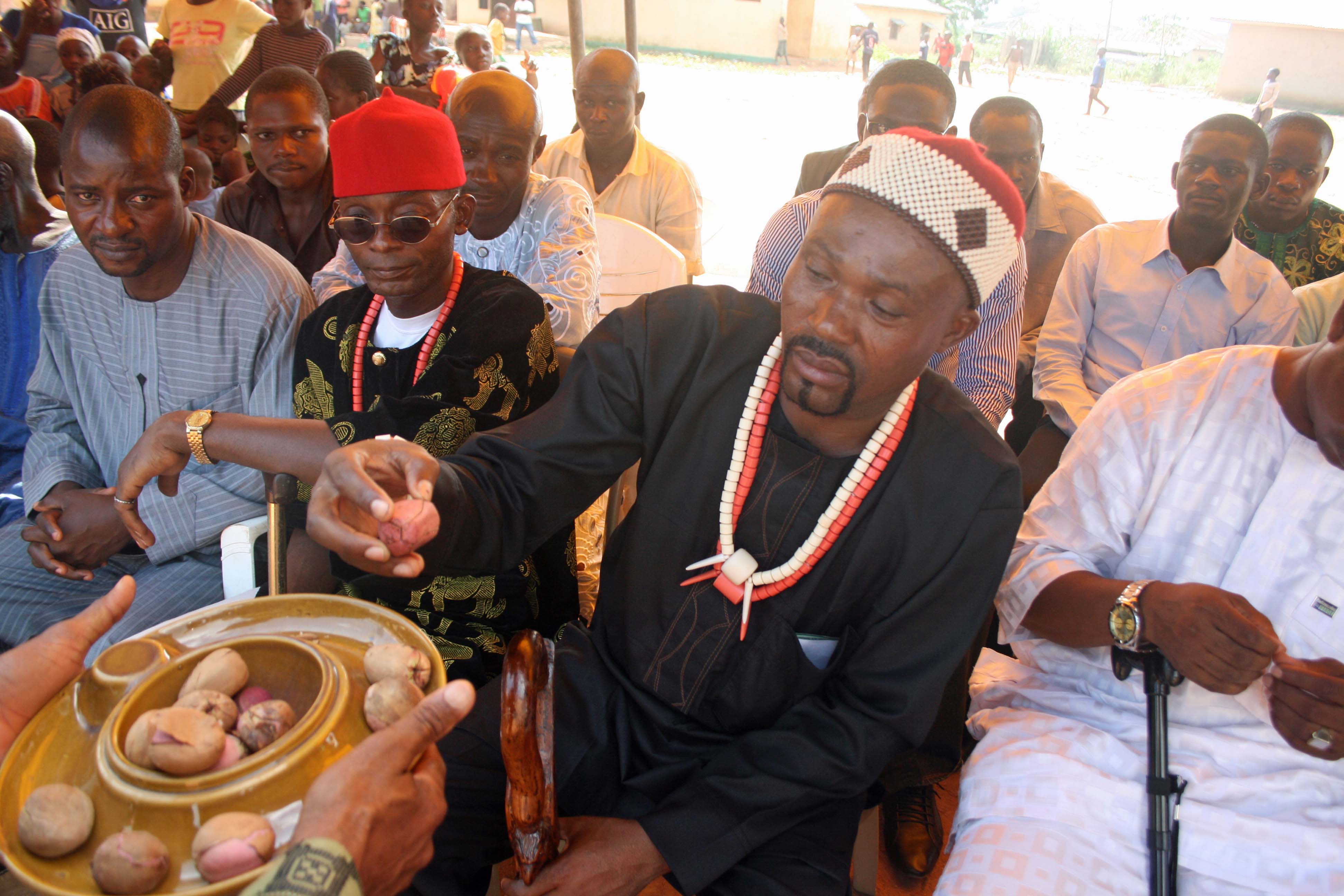
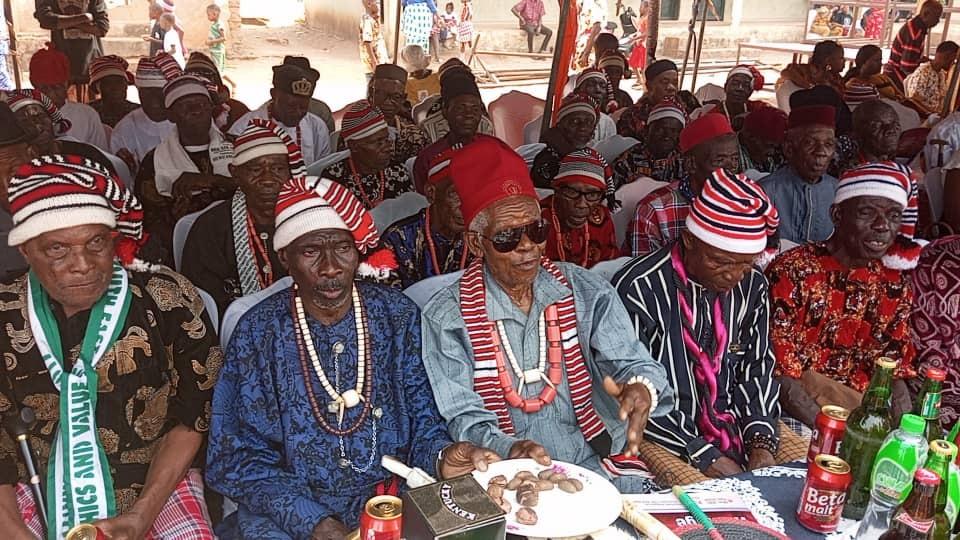
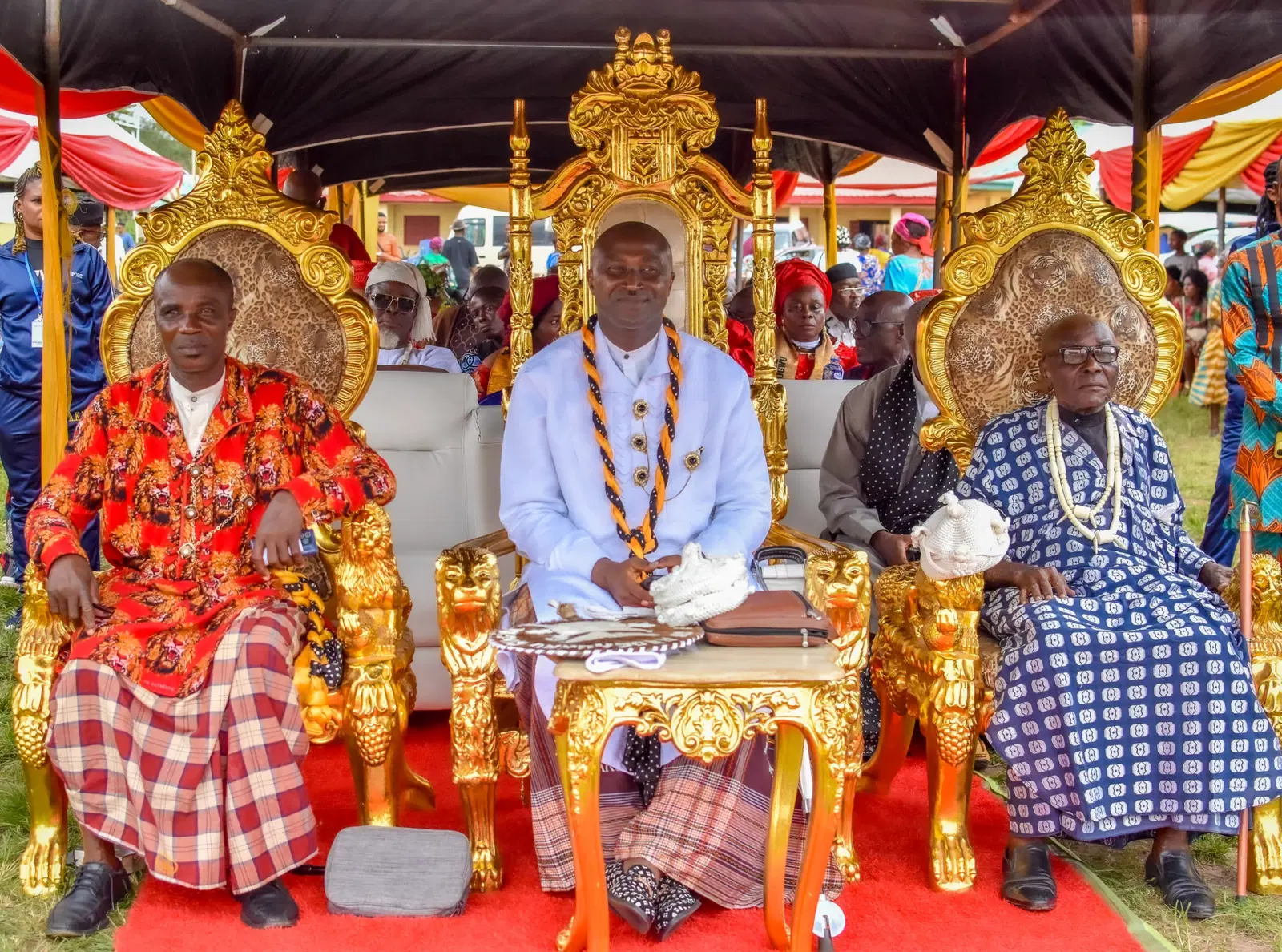
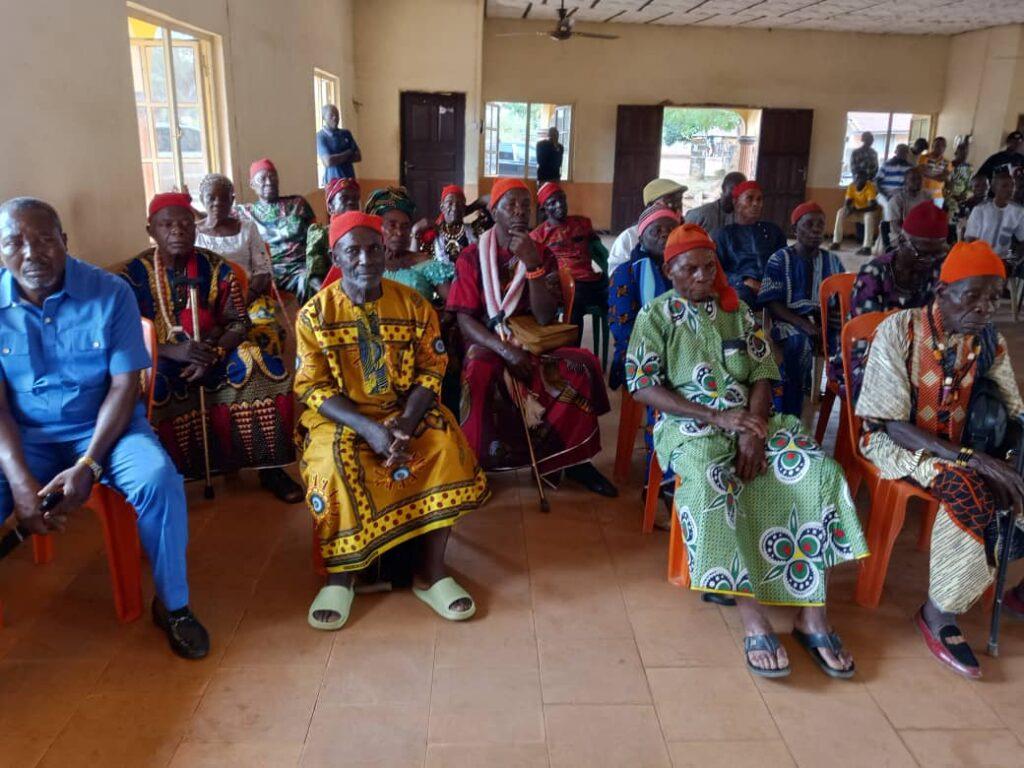
Ngwa ezeships. Autonomous Igbo communities under traditional rulers (Eze), rather than one central monarchy.

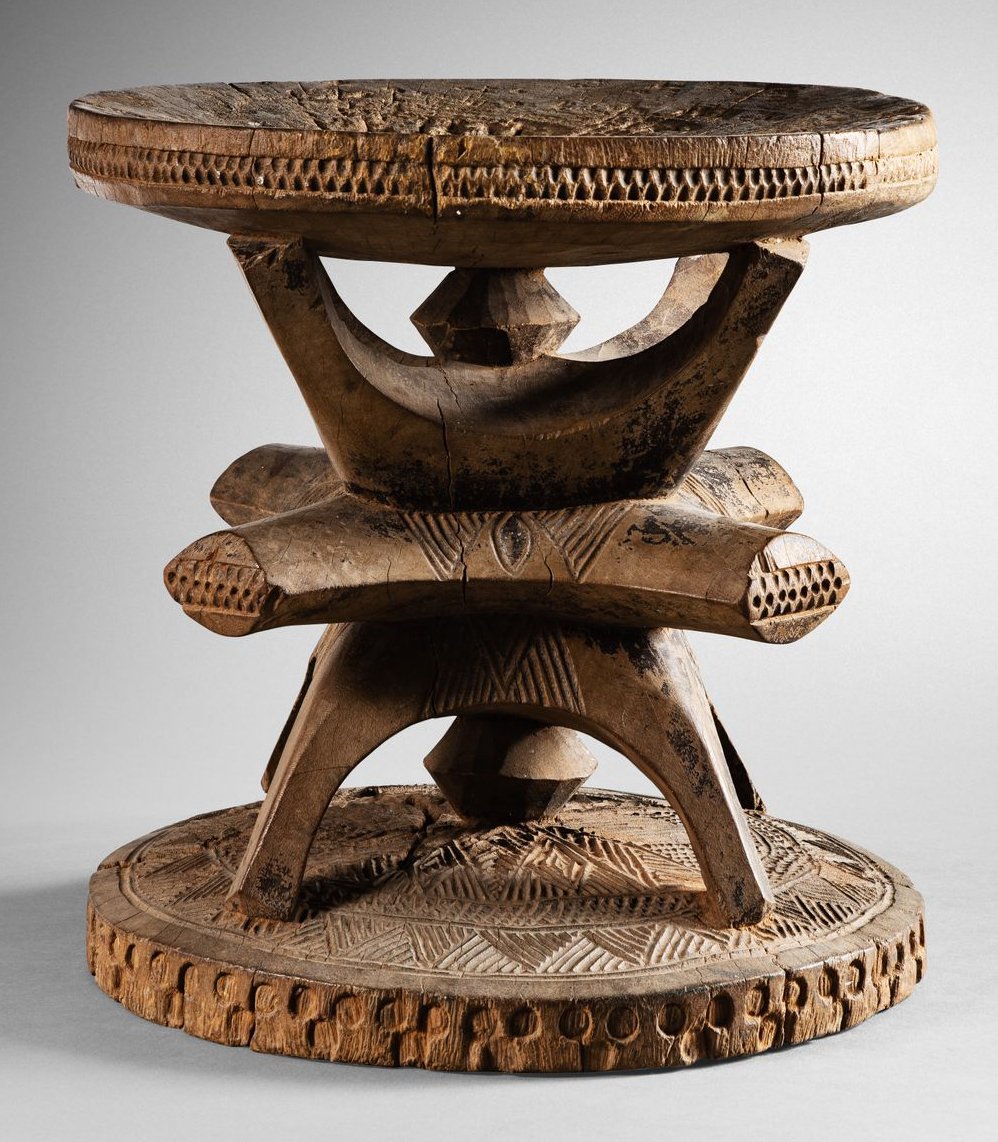
Ohafia and Abam clan institutions. Age-grade and warrior traditions with recognised traditional stools.

Geography

The land under the silhouette

Abia is a compact rainforest and farm-belt state, crossed by the Imo and Aba rivers and dotted with springs and oxbow stretches such as the Azumini Blue River. Low hills and residual forests break up oil-palm country that has been farmed and traded for centuries.

The south leans toward the Niger Delta edge; the north and east rise toward the Cross River and Ebonyi uplands. Seasonal rains are heavy, roads can flood, and the best-known waters are valued as much for beauty as for fishing and local travel.

Neighbours: Imo, Anambra, Enugu, Ebonyi, Cross River, Akwa Ibom, and Rivers

Watch the story

The Story of Abia in 3 Minutes

A 2–3 minute faceless mini-documentary will live here. Editors can embed a YouTube film from the steward desk. Until then, the still maps and the written story carry the heritage.
Hear the story

Listen to Abia

Audio narration (about 2–3 minutes) can be uploaded by an editor. Suggested opening: “Long before modern Nigeria existed, the lands we now call Abia…”

Through the lens of history

Photographs with caption, date and credit

No archival photograph has been verified for this page yet. We do not invent historical images. Stewards can add credited photographs from the dashboard.

Places you should know

Travel Abia

Ariaria International Market

Aba

A vast textile and leather market where workshops and stalls sit side by side.

One of West Africa's best-known centres of popular manufacturing and wholesale trade.

National War Museum

Umuahia

Open-air and gallery displays of Civil War vehicles, a bunker, and related objects.

A rare public collection devoted to the 1967–1970 war, placed in a former Biafran capital.

Azumini Blue River

Ukwa East

A clear, photogenic stretch of river used for swimming, boating, and local festivals.

Abia's best-known natural recreation site.

Arochukwu shrine landscape

Arochukwu

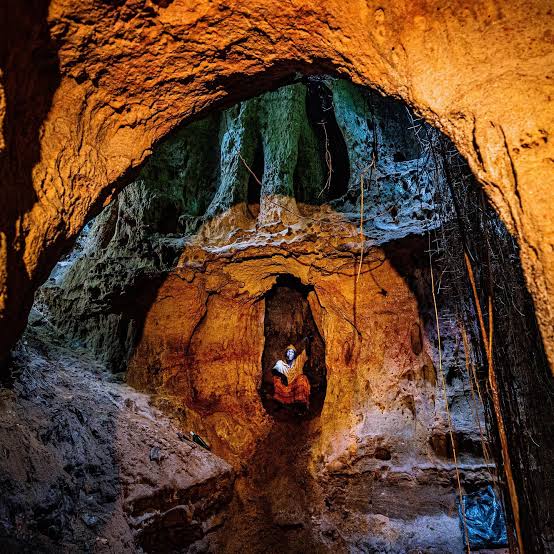
Caves, compound architecture, and the historic Ibini Ukpabi site associated with the old Aro centre.

A major ritual and trading node in precolonial south-eastern history.

Akwete weaving town

Akwete, Ukwa East

Workshops where women weave the patterned cotton cloth named after the town.

A living textile tradition recognised well beyond Abia.

Ohafia

Ohafia

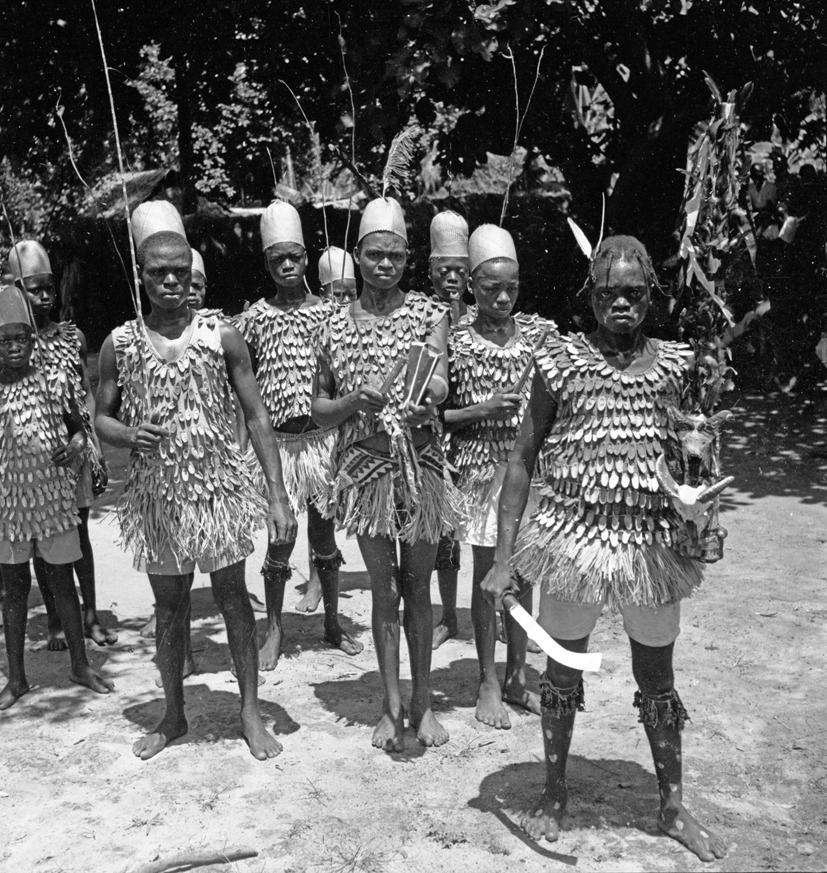
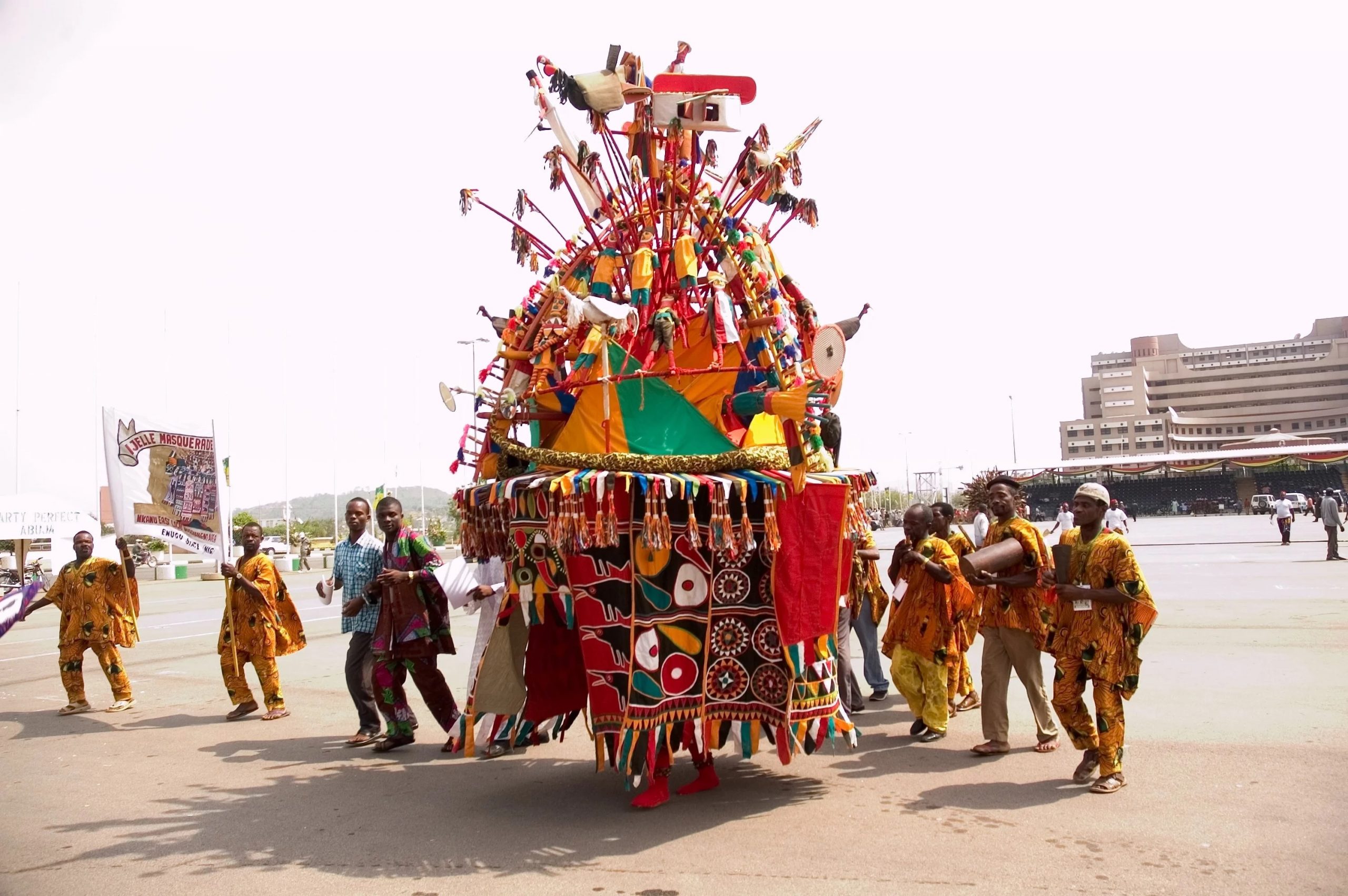
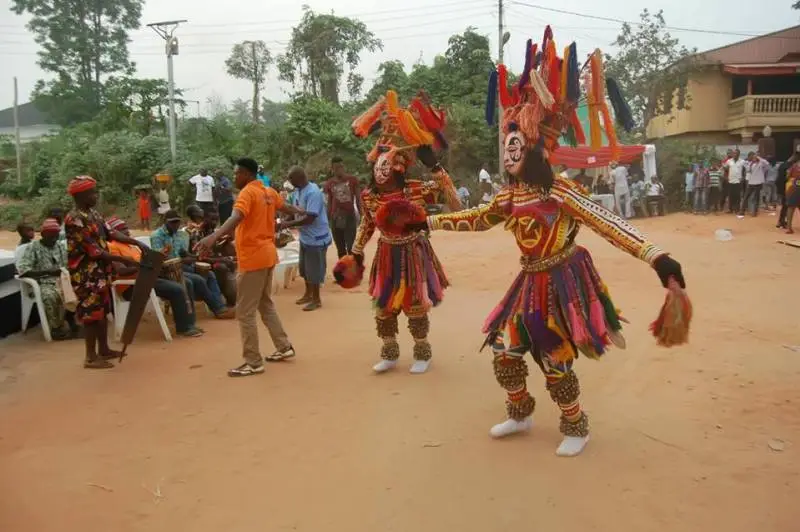
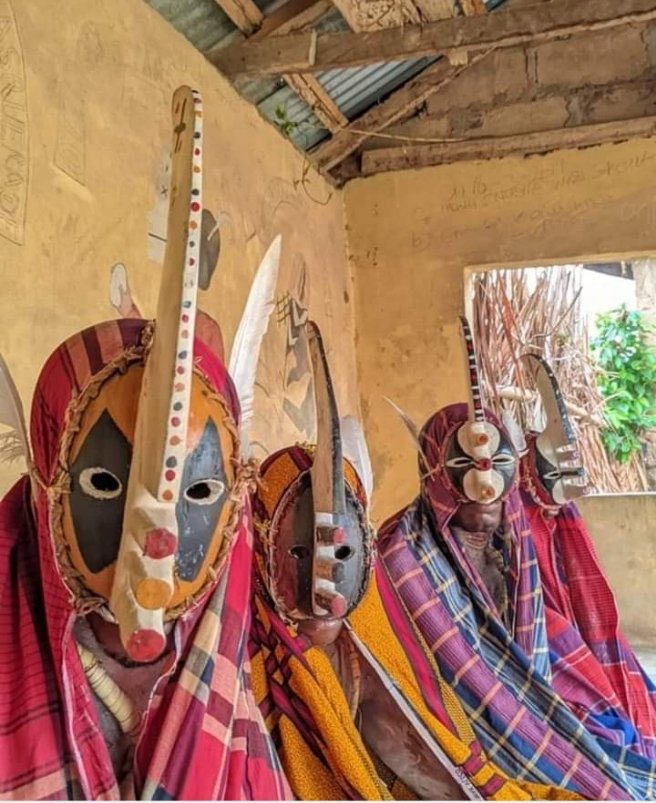
Clan towns famous for the Ohafia war dance and related masquerade culture.

A window on Igbo military memory expressed as performance rather than a standing army.

Umuahia township

Umuahia

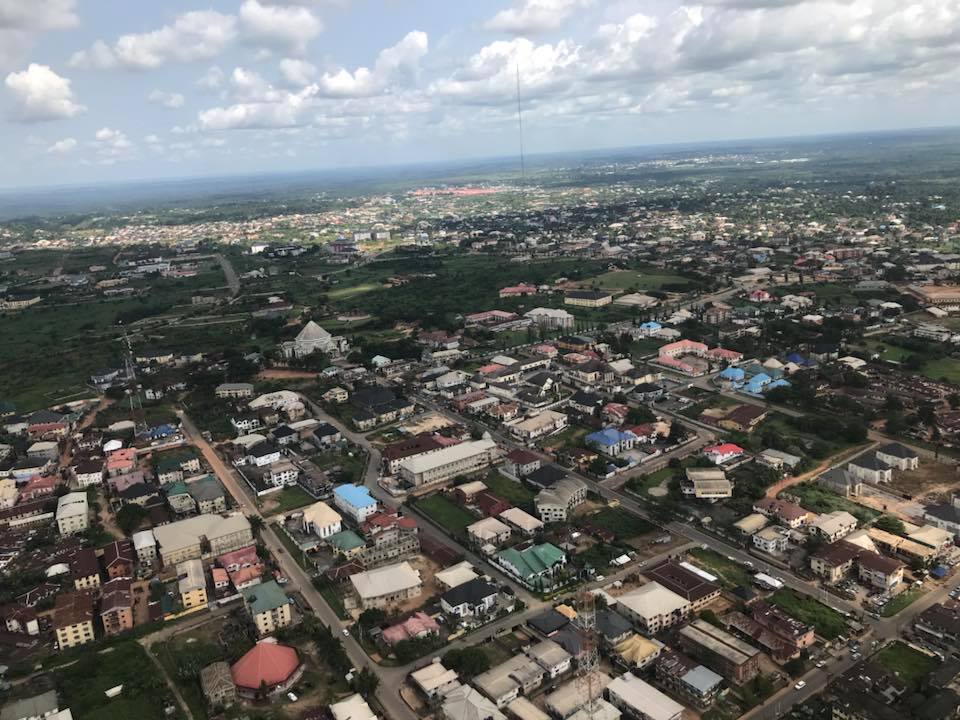
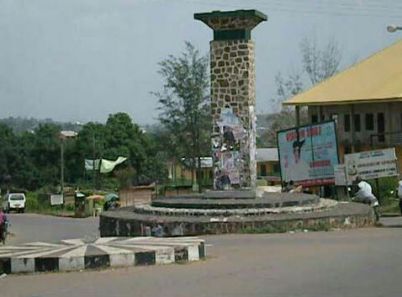
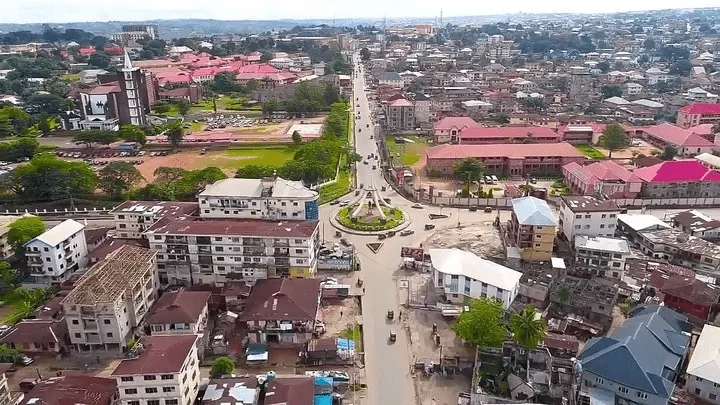
The state capital, a garden-scale city of schools, markets, and civil-service streets.

Political centre of Abia and a Civil War memory site.

Taste Nigeria

What does this state taste like?

Abacha (African salad)

Ingredients. Shredded cassava, oil bean, palm oil, vegetables, and often stockfish or potash seasoning

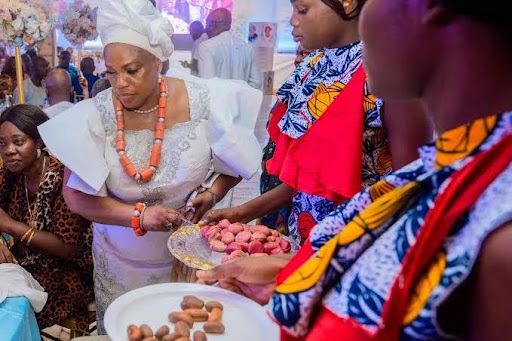
Significance. A festive Igbo salad associated with hospitality and ceremonies.

Traditionally eaten: Celebrations, Sunday gatherings, and as a special snack

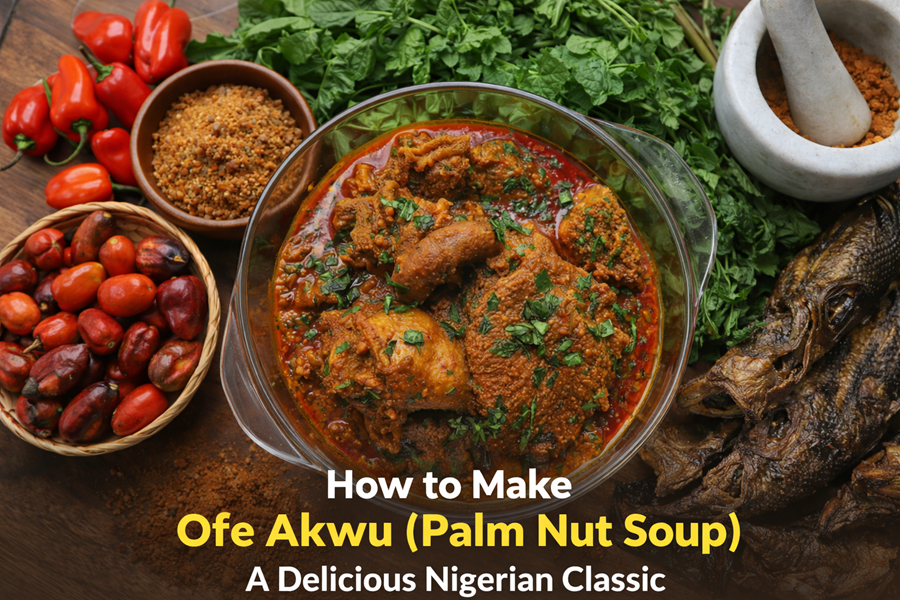
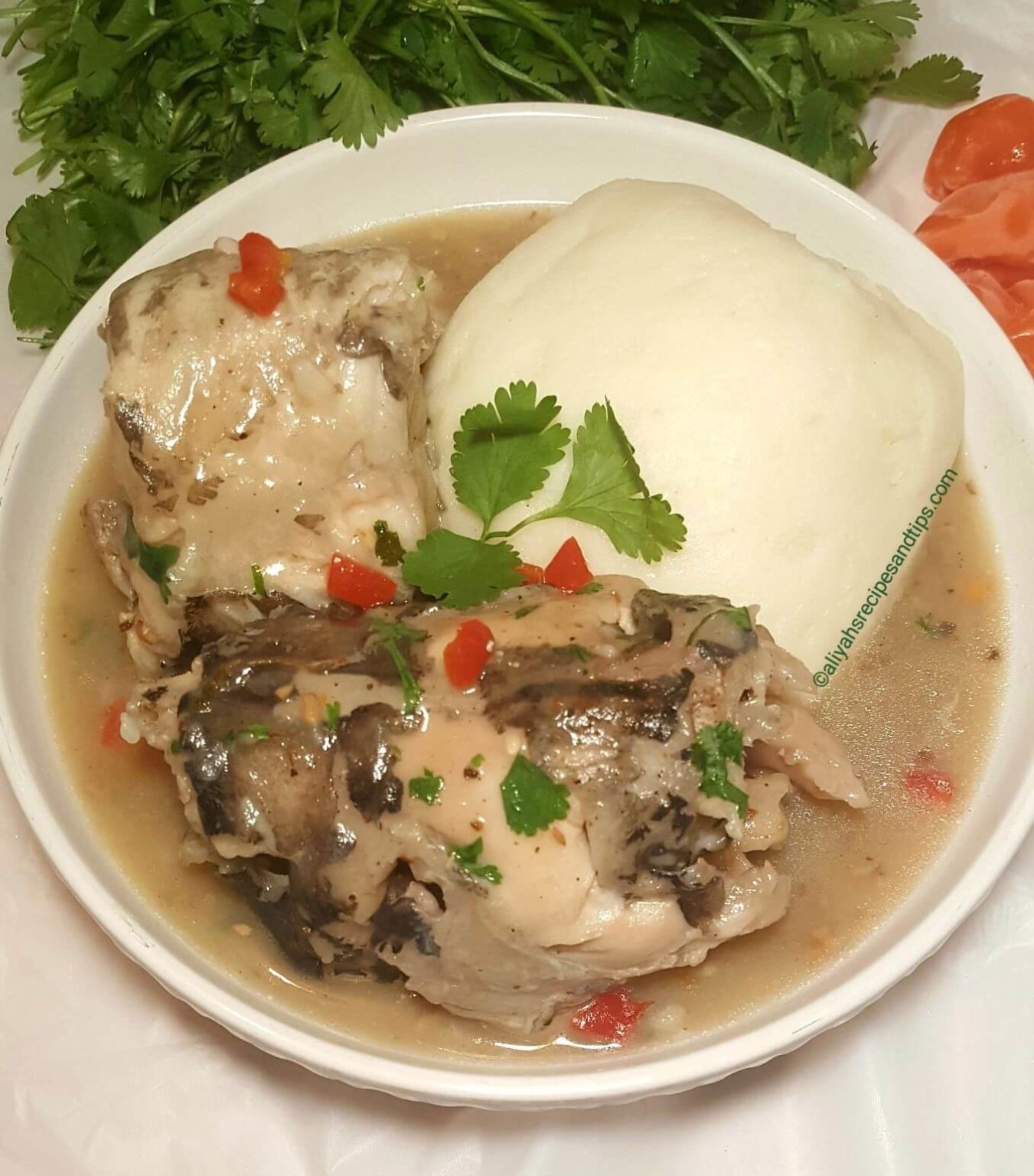
Ofe nsala (white soup)

Ingredients. Fresh fish or chicken, yam thickener, uziza, and light spices without heavy palm oil

Significance. A prized soup of the wider Igbo riverine world, cooked for honoured guests.

Traditionally eaten: Special meals and family feasts

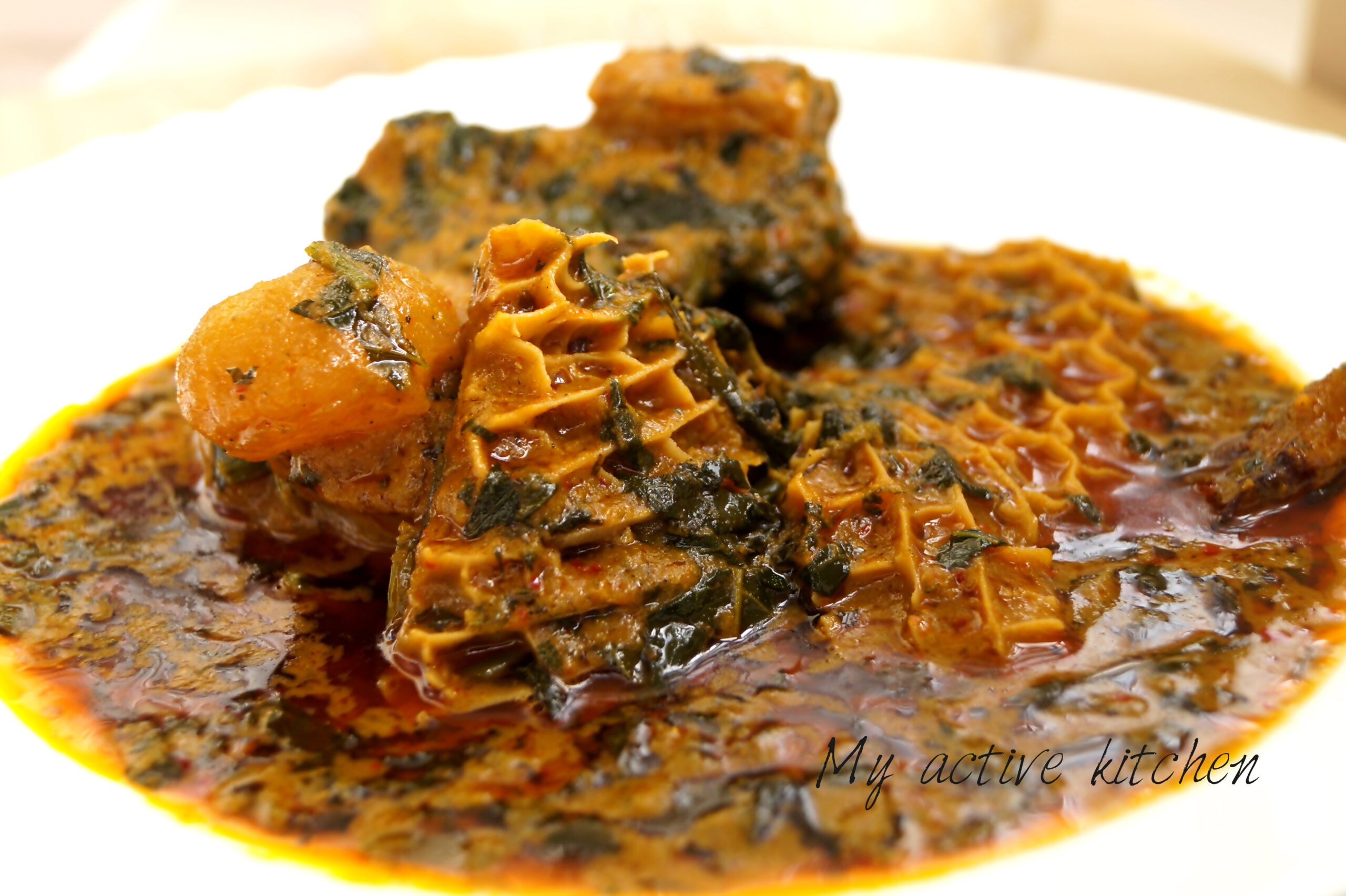
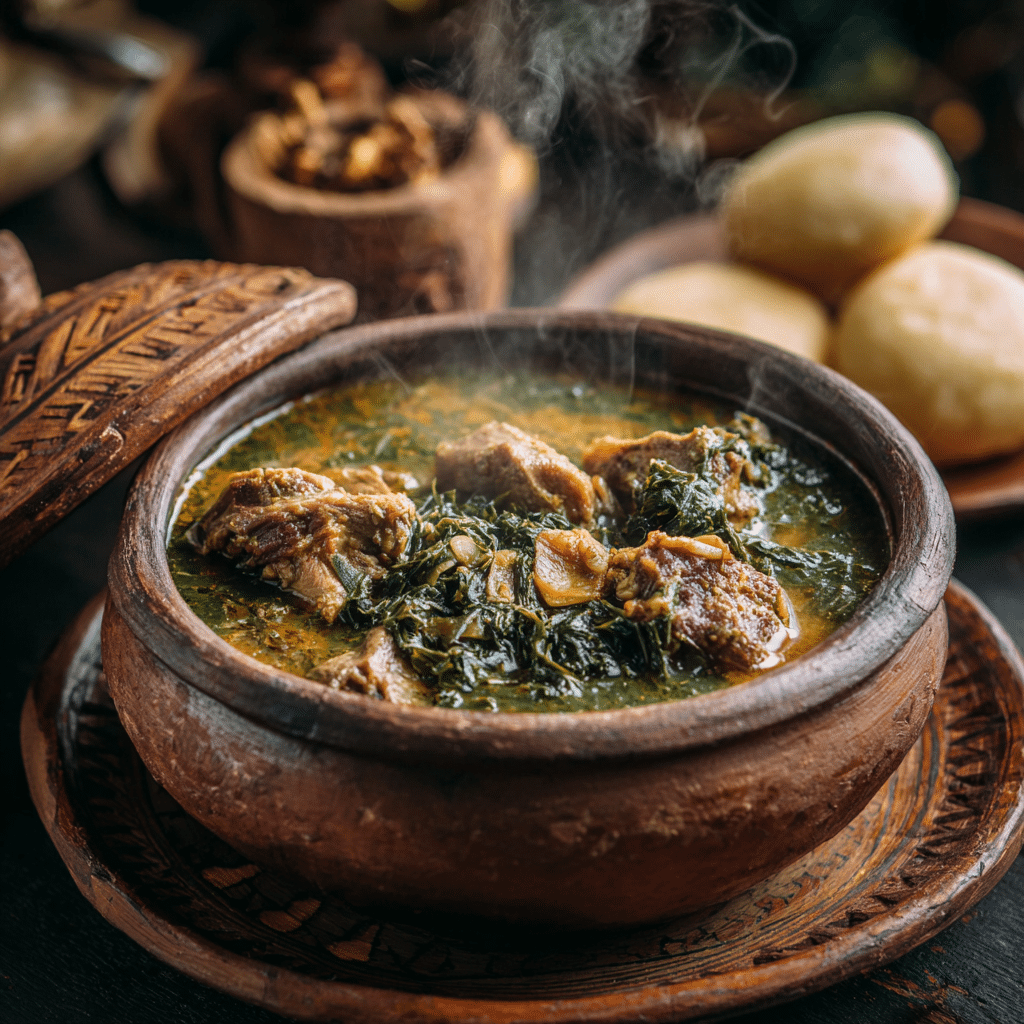
Ukazi / afang-style vegetable soups

Ingredients. Leafy vegetables, palm oil, assorted meat or fish, and thickening nuts

Significance. Everyday and ceremonial pots that show Abia's place between Igbo and Cross River foodways.

Traditionally eaten: Daily meals and festivals

Nkwobi and peppered animal protein

Ingredients. Cow foot or similar cuts, palm oil sauce, utazi, and spices

Significance. A social dish of evening gatherings and town restaurants.

Traditionally eaten: Evening outings and celebrations

Every state has a story. Sometimes, you can taste it.

Nigeria is alive with culture

Festivals & living culture

Iri Ji (New Yam)

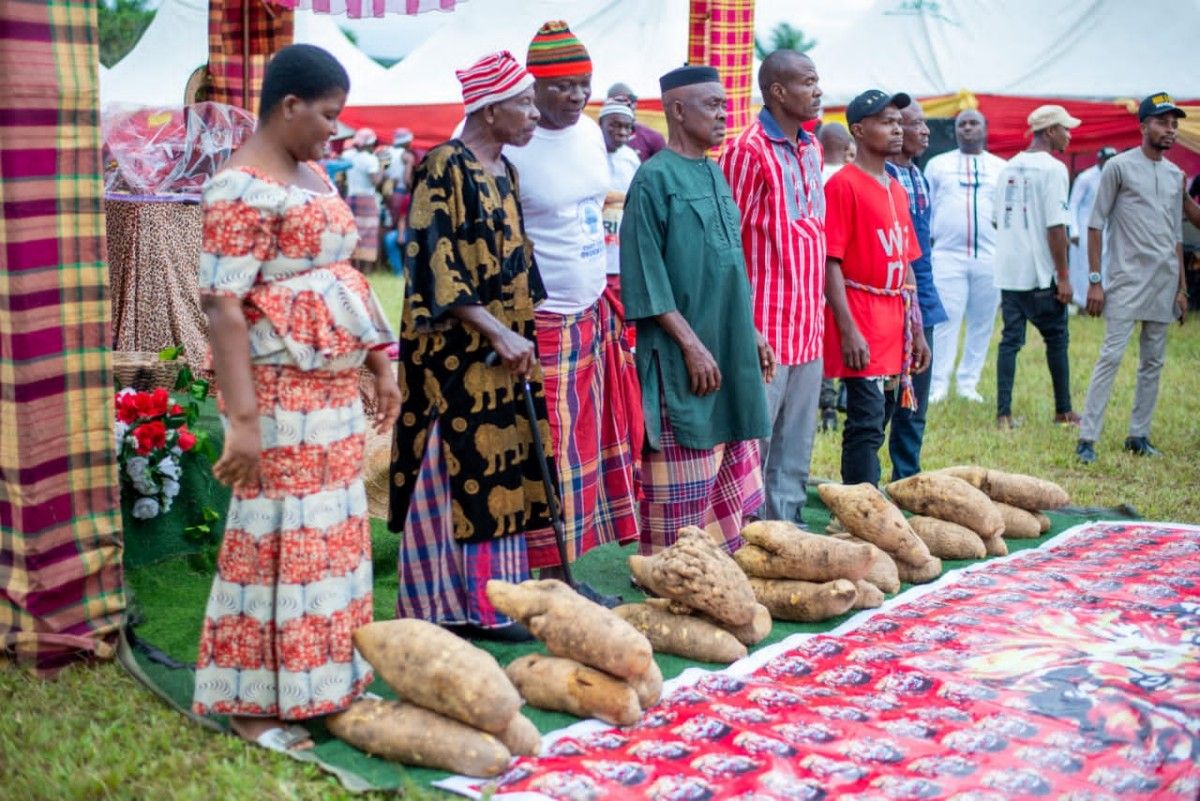
Harvest thanksgiving in many Igbo communities, with pounded yam, dance, and the first public tasting of new yam.

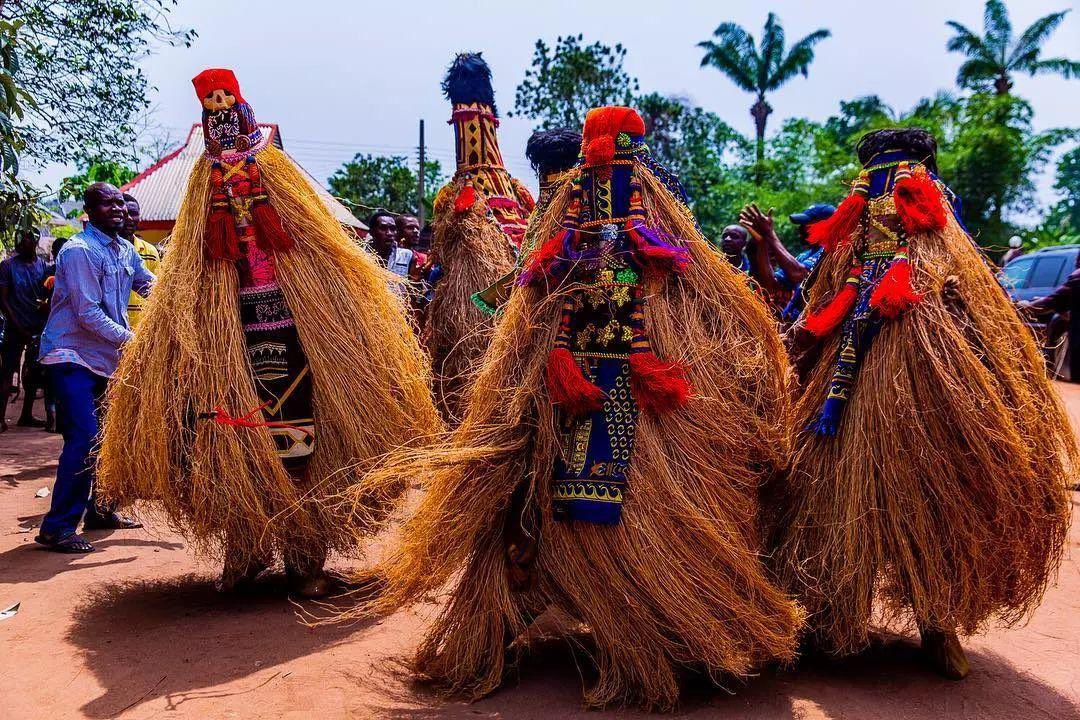
Ekpe and related masquerades

In Arochukwu and neighbouring areas, Ekpe grades still appear at funerals, installations, and seasonal rites.

Ohafia War Dance gatherings

Processional dance with ikoro drum memory, performed at festivals, burials of titled people, and cultural days.

Christmas and town-union returns

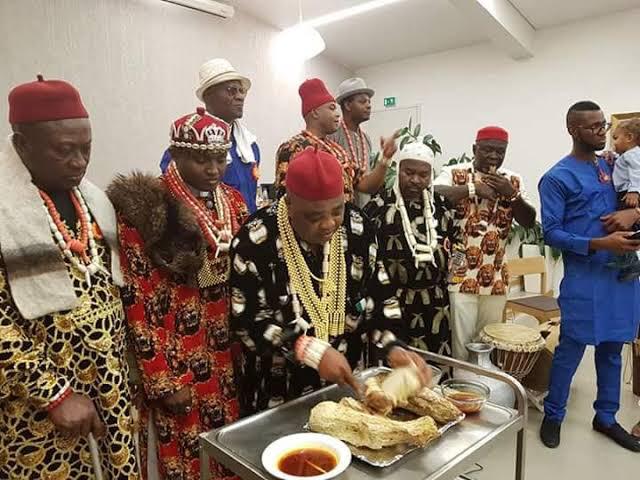
December homecomings fill Aba and the clan towns with chieftaincy events, church harvests, and family meetings.

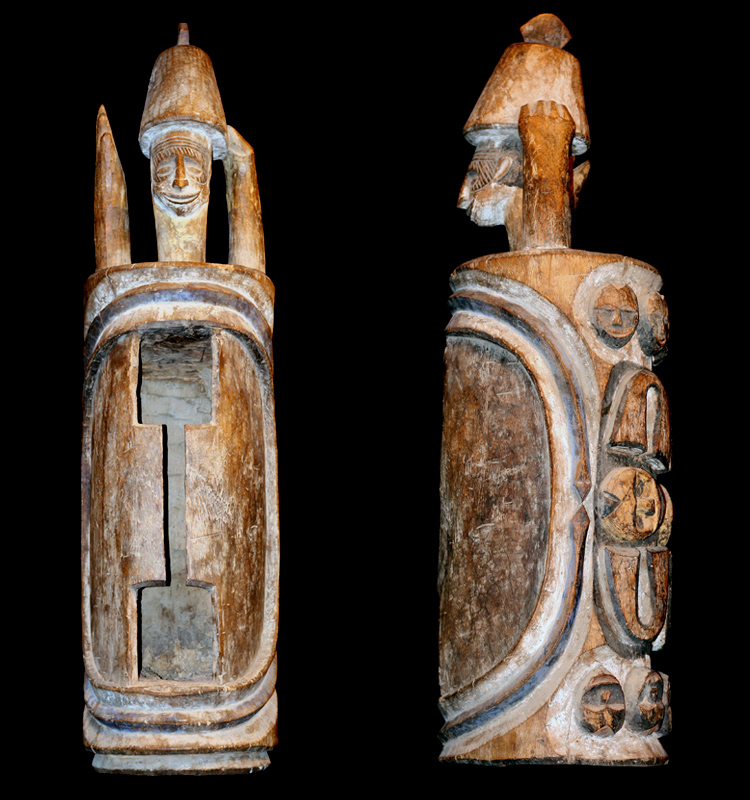
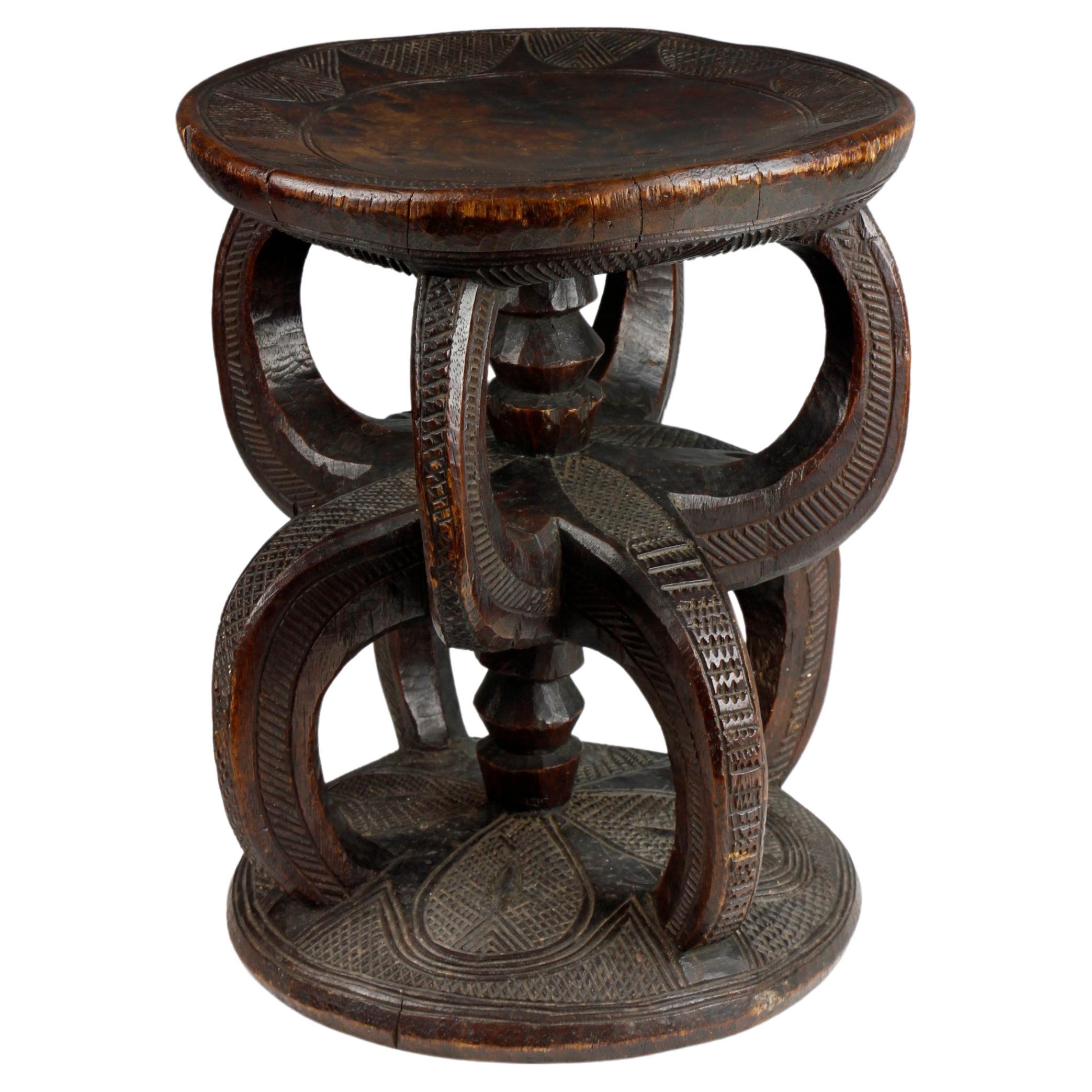
Arts & crafts. Abia's best-known craft is Akwete cloth: geometric cotton weaving traditionally done by women in Akwete town and taught as a named tradition rather than a generic Igbo textile. Ohafia war dance, ikoro drum poetry, and Ekpe masking give the east of the state a strong performance culture. Aba's popular fashion economy — shoes, garments, and print — is a contemporary art of the street, not a palace bronze tradition, and it belongs in any honest account of making in Abia.

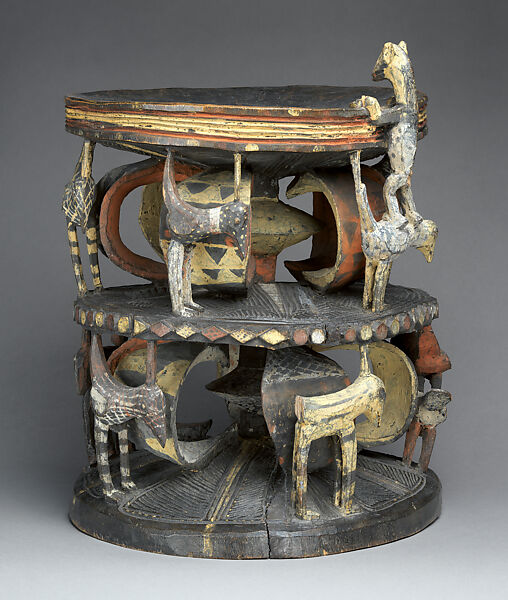
Historical treasures. Cultural treasures here are living skills and contested memories more than a single royal hoard. Akwete wrappers, Aro compound architecture, and the War Museum's vehicles and bunker are the public face of that heritage. Visitors should treat shrine sites with care: they are religious places, not film sets, and photography is not a right.
How well do you know Abia?

11 questions from this page

1. What is the capital of Abia?
2. Which geopolitical zone includes Abia?
3. Which nickname is widely used for Abia?
4. When was Abia created as a state (or designated as FCT)?
5. A well-known place associated with Abia is:
6. A traditional food linked with this heritage page is:
7. A major people or cultural community here is:
8. A festival or living tradition on this page is:
9. Akwete cloth is a named weaving tradition associated with which place?
10. The National War Museum, with Civil War vehicles and a bunker, is in which Abia city?
11. A popular modern explanation of the name Abia is that it is an acronym of four old groupings. Which later moved into another state?
Build Nigeria Piece by Piece™

Collect the physical story

Abia State Refrigerator Magnet · GBP 6.00

Each magnet carries a QR code that returns you here as a Heritage Explorer.

COLLECT ABIA →